You may need a veneer if your tooth mainly needs a cosmetic fix like stains, small chips, or tiny gaps. You likely need a crown when the tooth has big damage, a large filling, or can’t handle normal chewing forces — both options are available from a provider of porcelain veneers in Ocala, FL.
Choose a veneer to change how a healthy tooth looks; choose a crown to protect and rebuild a weak or broken tooth. This article will help you weigh how each option works, what the treatments involve, how results look, and what costs and care to expect so you can pick the right path for your smile.
Functional Differences Between Veneers and Crowns
Veneers mainly cover the front and biting edge of a tooth to change how it looks. Crowns cover the whole visible tooth and rebuild strength after damage or large fillings.
Tooth Coverage and Protection
Veneers cover only the front surface and a bit of the edge. They thinly bond to enamel, so you keep most of your natural tooth. This makes them less protective against decay or heavy bite forces.
Crowns wrap all the way around the tooth, from chewing surface to gum line. They replace lost structure and shield weakened teeth from fracture. If you have a large filling, root canal, or a cracked tooth, a crown gives more protection than a veneer.
Material matters for both. Porcelain veneers look natural but don’t add much strength. Metal or porcelain-fused-to-metal crowns add durability where chewing stress is high. Your dentist will match the material to the tooth’s role and location.
Indications for Use
Choose veneers when you want to fix color, small chips, slight gaps, or minor shape issues. Veneers work best on front teeth with healthy enamel and minimal structural damage.
Choose a crown when the tooth is cracked, has a large filling, or after root canal therapy. Crowns also restore badly worn or broken teeth and improve bite function when chewing causes pain or instability.
If you grind your teeth, crowns are often the safer choice because they tolerate force better. If your problem is mostly cosmetic and your enamel is strong, veneers offer a less invasive path.
Longevity and Durability
Veneers last about 7–15 years on average with good care. They can chip or come loose if you bite hard objects or grind teeth. Regular dental checkups and avoiding hard foods reduce the risk.
Crowns typically last 10–20 years, sometimes longer, depending on material and oral habits. They handle chewing forces and protect the tooth from further damage. However, crowns require more tooth removal up front and may need replacement if decay forms at the margin.
Both types need good oral hygiene and night guards if you grind. Your dentist will weigh tooth condition, habits, and budget to recommend the option that gives you the best balance of look and function.
Treatment Process and Requirements
You will learn what happens to your tooth, what materials are used, and how long the whole treatment takes. The steps vary if you need a veneer or a crown and depend on how much tooth structure must be removed.
Tooth Preparation Steps
For a veneer, your dentist removes a thin layer of enamel—usually 0.3–0.7 mm—from the tooth front. This creates space for the veneer so your bite stays correct. The dentist may take a digital scan or a physical impression after shaping.
For a crown, more tooth must come off—often 1–2 mm all around and on the biting surface—because the crown covers the whole tooth. If decay or a large filling exists, your dentist removes damaged tissue first. You may need root canal therapy before a crown if the pulp is infected.
Both procedures often require a temporary restoration while the lab makes the final piece. Your dentist checks fit, color, and bite at try-in visits. Local anesthetic is used for both; crown prep usually needs longer numbing.
Materials and Fabrication Methods
Veneers come mainly in porcelain or composite resin. Porcelain veneers resist stains and mimic tooth enamel closely. Composite veneers cost less and can be placed directly in one visit, but they stain and wear faster.
Crowns come in porcelain-fused-to-metal (PFM), all-ceramic (e.g., zirconia, lithium disilicate), or full metal (gold). All-ceramic crowns give best aesthetics for front teeth; zirconia is very strong for back teeth. Your dentist chooses material based on tooth location, bite forces, and esthetic needs.
Labs use CAD/CAM milling or traditional layering techniques. CAD/CAM often lets dentists deliver ceramic restorations the same day. Hand-layered methods may take longer but allow more customized shading.
Timeline for Completion
If your dentist uses same-day CAD/CAM, you can get a veneer or crown in one visit—prep, scan, and milling all in hours. Direct composite veneers also finish in one appointment.
More commonly, treatment takes two visits. First visit: prep, impression/scan, and placement of a temporary (30–90 minutes). Fabrication at the lab usually takes 1–3 weeks depending on lab speed and complexity. Second visit: try-in, adjust color and bite, then cementing or bonding (30–60 minutes).
If you need a root canal, bone graft, or dental implant first, add weeks to months for healing. Expect longer timelines for multiple units or custom shading requests.
Aesthetic Outcomes and Patient Expectations
You will balance look and function when choosing between veneers and crowns. Both can give a natural smile, but they differ in how much tooth they cover, how they handle color, and how predictable the final look will be.
Natural Appearance Considerations
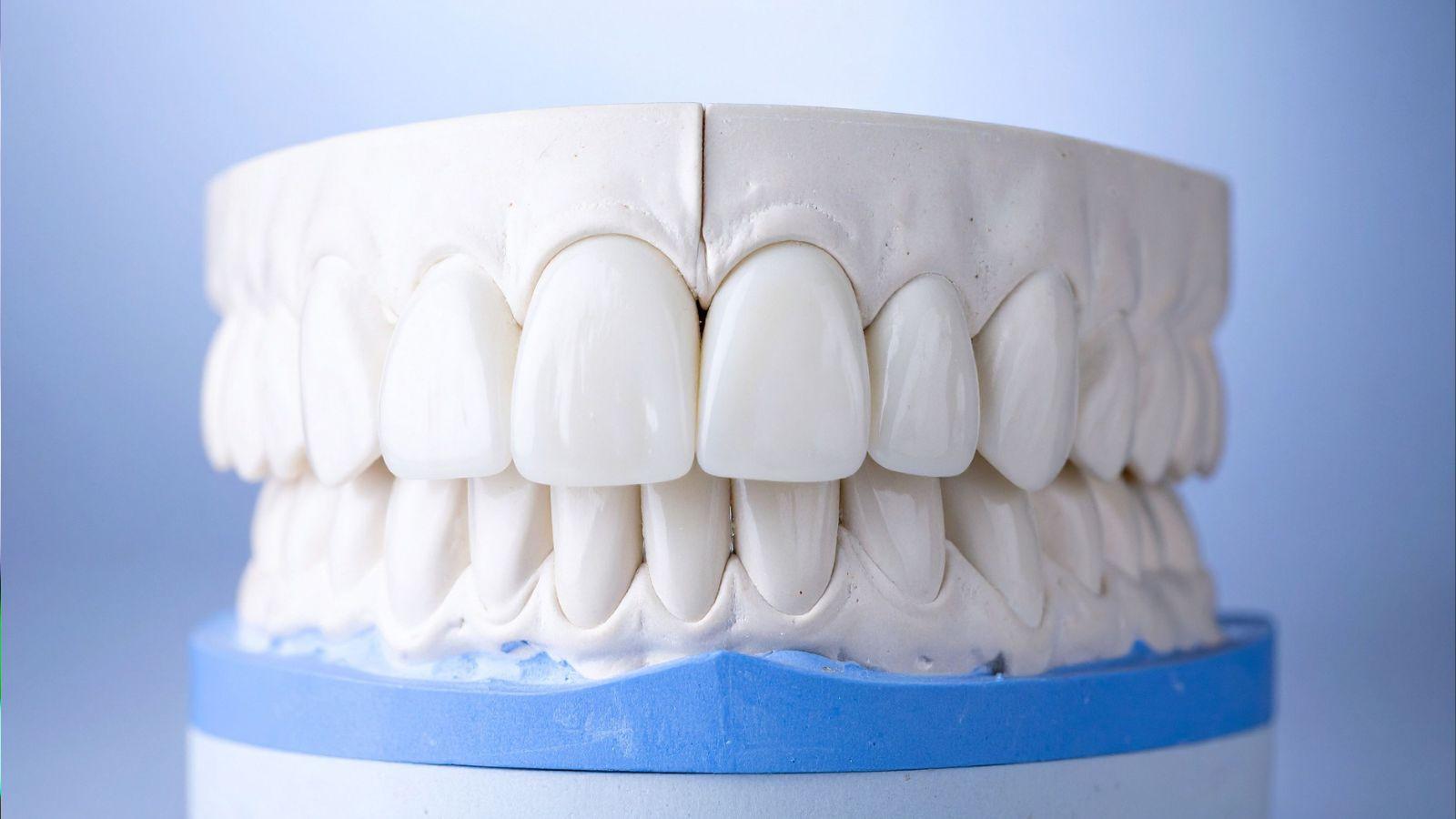
Veneers cover only the front surface of a tooth, so they preserve more natural enamel. This lets your tooth reflect light more like a natural tooth when the veneer material and thickness match your tooth structure. Veneers work best when the tooth is straight and structurally sound; they hide chips, gaps, and minor shape problems without changing bite mechanics.
Crowns cover the entire visible tooth and allow the dentist to change tooth shape and thickness more dramatically. That makes crowns better for teeth with large breaks, root canals, or heavy wear. Because crowns replace more tooth structure, they can sometimes look slightly bulkier if not planned carefully. Ask your dentist to show digital mock-ups or try-in temporaries so you know how the final restoration will sit with adjacent teeth.
Color Matching Capabilities
Porcelain and ceramic materials used for both veneers and crowns come in many shades and translucencies. Veneers allow fine control over translucency and surface texture, making them excellent for matching adjacent front teeth under normal lighting. If your natural tooth color is ideal, veneers can blend nearly invisibly.
Crowns must mask underlying tooth color, especially if the tooth is dark from decay or a root canal. Your dentist may need to use opaque porcelain layers or zirconia cores to block the darker shade, which can slightly reduce translucency. For multi-tooth cases, labs can layer ceramics to match adjacent teeth, but you may need shade guides, photos, or a trial restoration to approve the match before final cementation.
Cost Factors and Long-Term Care
Material choice affects price and durability. Porcelain veneers often cost more per tooth than basic crowns, but high-end crowns (zirconia or ceramic) can match or exceed veneer prices. Expect a wide range depending on material and lab work.
Insurance may cover crowns more often than veneers because crowns are usually restorative. If your treatment is cosmetic, your plan might deny coverage. Ask your insurer and get a pre-estimate before you commit.
Preparation and lab fees add to the total. Crowns often require more tooth reduction and lab work, which can raise costs. Veneers need skilled bonding and precise lab fabrication, which also adds expense.
Think about lifespan and maintenance when judging value. Veneers typically last 10–15 years; some crowns last longer with proper care. Your habits—grinding, clenching, or biting hard things—shorten lifespan for both.
Budget for follow-up care and possible replacement. You’ll need regular checkups and good oral hygiene to extend life span. Night guards can protect restorations if you grind your teeth.
Quick comparison
- Typical cost range per tooth: veneers ~$800–$2,500; crowns ~$1,200–$3,000 depending on material.
- Insurance likelihood: crowns > veneers (restorative vs cosmetic).
- Maintenance: same daily care; crowns may require more initial tooth work.
Talk to your dentist about long-term costs, not just the upfront price. Ask for itemized estimates and expected lifespans for the materials they recommend.