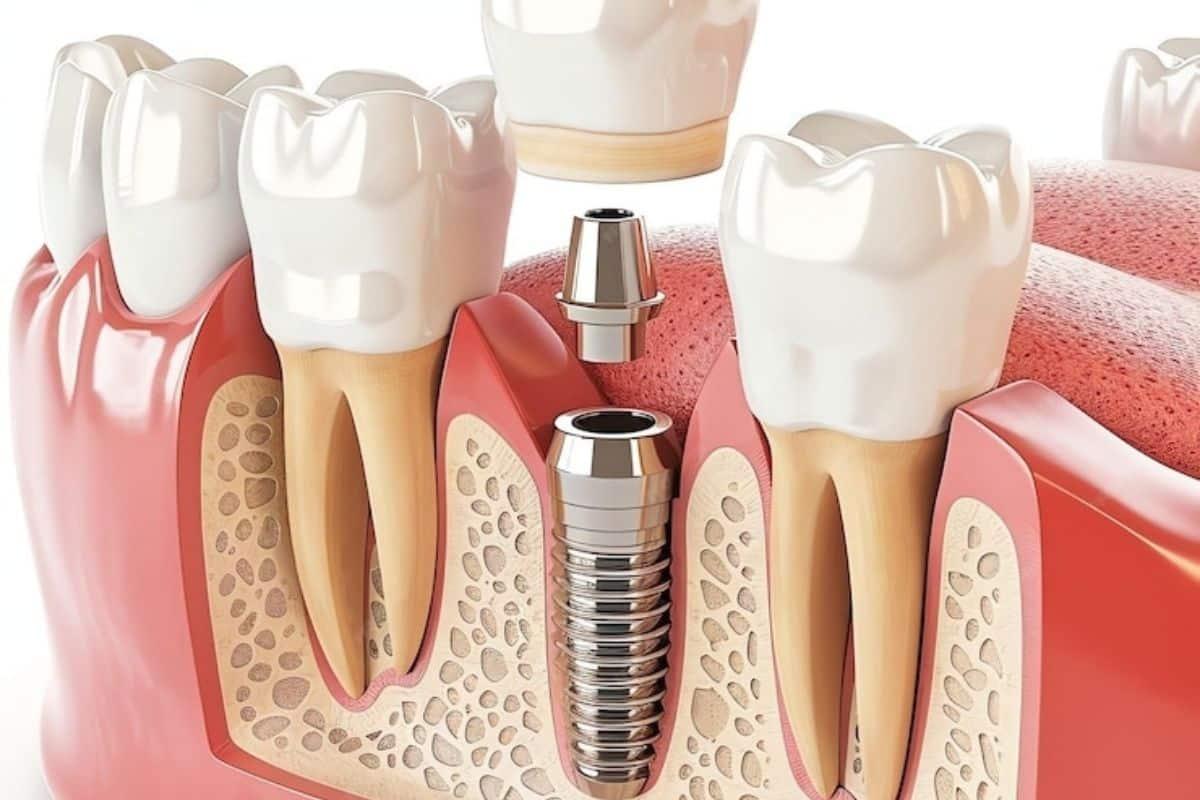
Dental implants usually stay stable for years, but sometimes they start to feel loose after a long time. Infection, bite forces, bone loss, or issues with the crown or abutment can all play a role.
If your implant suddenly feels wobbly years after placement, don’t wait around—see your dentist right away. Early treatment often saves the implant and the bone around it.
You’ll want to know what can make an implant unstable years down the line. Bite mechanics, how your crown fits, and your own health or habits might all factor in.
Spotting the warning signs early and working with your dentist can keep a small problem from turning into a big headache—and if you’re considering a more comprehensive solution, All-on-X implants in Pittsburgh offer a stable, full-arch option worth exploring with your provider.
Common Triggers for Long-Term Implant Instability
Several things can make an implant that’s been rock-solid for years start to move. Loss of bone support, changes in the gum tissue, and infections that attack the implant’s connection to bone are all culprits.
Bone Loss and Osseointegration Failure
Bone loss really undercuts the support your implant needs. After you get an implant, it has to stay fused with your jawbone (that’s called osseointegration).
If this bond weakens—maybe because of uncontrolled diabetes, osteoporosis, long-term meds like bisphosphonates, or just slow bone loss—the implant can loosen up. Local issues matter too.
Grinding your teeth or a crown that doesn’t fit right can cause tiny movements that slowly break down bone. Dentists usually spot this on X-rays as dark areas or lower bone height.
Depending on how much bone is left and if there’s an infection, your dentist might suggest grafting, swapping out the abutment, or sometimes removing the implant.
Gum Tissue Changes Over Time
Gum tissue shrinks and gets less sturdy as we age. Recession can expose the implant-abutment junction, making it easier for bacteria to sneak in.
If your gums are thin or there isn’t enough tough, keratinized tissue, recession is more likely—especially if brushing isn’t great or your crown traps plaque. You might notice sensitivity, longer-looking crowns, or a metal edge showing.
Dentists can clean up the area, adjust the crown for easier cleaning, or even graft more tissue to bulk up the gums. Tackling these changes early helps keep the implant stable.
Peri-Implantitis and Infection
Peri-implantitis is a nasty infection that eats away at both gum and bone around an implant. It usually starts as gum inflammation (mucositis), but if you ignore it, bone loss follows and the implant can loosen.
Poor plaque control, a history of gum disease, smoking, and leftover cement from crown placement all raise your risk. Look out for bleeding, pus, or deeper pockets around the implant.
Treatment depends on how bad it is—deep cleaning and antiseptics for mild cases, surgery for moderate bone loss, and sometimes removal if things are really bad. The sooner you catch it, the better your odds.
Biomechanical Forces and Prosthetic Issues
Mechanical stress is a big reason implants work loose. Misalignments, worn parts, or constant overload can back out screws, break pieces, or wear down bone.
Effects of Bite Misalignment
When your bite puts uneven pressure on an implant crown, the forces shift from simple up-and-down to sideways bending. That sideways force creates extra movement at the implant–abutment junction, stressing the screw and bone.
You might spot high spots on a tooth, crowns that stick out, or nearby teeth starting to tilt. These issues ramp up the torque during chewing and can slowly loosen screws or cause bone to wear away at the implant’s neck.
Fixing this isn’t too complicated. Dentists adjust the bite, rebalance contacts, and sometimes redesign the crown to keep forces straight up and down.
They might use selective grinding, remount things on an articulator, or remake the crown to get the forces right.
Wear and Damage to Implant Components
Metal parts don’t last forever. Over time, repeated chewing can wear down threads, fatigue metal, or even cause tiny fractures.
If your abutment screw threads deform or get chewed up, they lose grip and the implant starts to loosen. The materials used matter too.
Hard ceramics against metal can focus stress on the screw; mismatched pieces can move against each other and corrode. Dentists look for rounded screw heads, damaged threads, or cracks.
Replacing worn screws and using a proper torque wrench helps. Sometimes, it’s best to use all new parts if anything looks suspect.
Overloading from Bruxism or Chewing Habits
Grinding your teeth (bruxism) puts a lot more force on implants than normal chewing. That adds up to thousands of heavy cycles a day, which can loosen screws, break the implant, or cause bone loss.
Even just chewing hard foods can do damage if the force isn’t spread out or lands off-center. Night guards help cushion the blow from grinding, and occlusal splints can spread out the pressure.
Managing overload means spotting bad habits, prescribing mouthguards, adjusting the bite, and choosing crown designs that avoid long, skinny sections or cantilevers.
Patient Factors Impacting Implant Longevity
Your health and daily habits play a huge role in how well an implant holds up. Medical conditions, medications, and how you care for your mouth all influence whether your implant stays put or loosens up years later.
Systemic Health and Medication Influences
Chronic diseases that mess with bone metabolism can make implants loosen over time. Poorly controlled diabetes slows healing and raises infection risk, which speeds up bone loss.
Osteoporosis itself isn’t always a dealbreaker, but high-dose steroids or some cancer treatments can weaken bone or slow down bone remodeling. That means less long-term support for your implant.
Medications matter too. Bisphosphonates and antiresorptive drugs can mess with bone turnover and, though rare, cause osteonecrosis. Immunosuppressants or long-term steroids bump up infection risk and slow healing.
Always tell your dentist about everything you take—prescriptions, supplements, all of it. That way, they can keep a closer eye on your implant and adjust your care as needed.
Quality of Oral Hygiene Maintenance
How you clean and keep an eye on your implant really shapes whether bacterial inflammation shows up around it.
Daily plaque control helps a lot. Using a soft-bristle brush, picking the right size interdental brushes for your prosthesis, and getting in there with floss or a water irrigator keeps biofilm down.
Letting home care slide? Bacteria start to take over, and what starts as mild, reversible inflammation can turn into bone loss. Over the years, that can loosen an implant.
Professional maintenance isn’t just for show. When you show up for scheduled recall visits, your dentist checks for early bone changes and loose prosthetic screws with probing and radiographs.
If you smoke, grind your teeth at night, or just don’t make it to those checkups, you really raise your risk for bone loss and mechanical issues. It sounds obvious, but following your dentist’s hygiene tips and sticking to regular checkups just makes life easier for your implant.