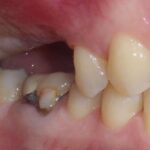
If you’re looking at implants in your upper jaw, you’ll probably hear about bone grafts and sinus lifts. Both help rebuild bone so implants have something solid to hold onto.
A bone graft adds missing bone anywhere in your jaw. A sinus lift, though, specifically raises the sinus floor to make enough vertical space for upper molar and premolar implants.
So, when does each one make sense? How do the techniques and healing times stack up? What really influences your dentist’s recommendation—bone density, sinus shape, or something else?
Let’s walk through the purpose, how they differ, who usually needs what, and what you might expect if you go down either path. That way, you’ll feel a bit more prepared when you talk options with your dental team—and if other dental concerns like root canal treatment in Inglewood, CA are also on your radar, addressing those alongside your implant planning can help you build a more complete and efficient treatment timeline.
Purpose of Bone Grafting and Sinus Lifting
Both procedures aim to restore lost jawbone so you can get stable dental implants. One adds bone anywhere; the other focuses on boosting vertical height in the upper back jaw.
Addressing Bone Loss in Dentistry
Bone grafting replaces or adds missing bone after tooth loss, trauma, infection, or even years of wearing dentures. Your surgeon will place donor bone or synthetic material where your jaw isn’t thick enough.
Over time, your body remodels the graft, making it denser and stronger—enough to support an implant.
Typical reasons for bone grafting include narrow ridges, vertical bone defects, or spots that need extra contour for a better fit or look.
Some things you’ll want to know:
- Autografts (your own bone) heal fastest, but mean a second surgical site.
- Allografts and xenografts avoid that, but may take a bit longer to integrate.
- Most people wait 3–6 months before getting implants.
- There’s always a chance of infection or graft failure, but it’s not super common.
Implant Support Requirements
Dental implants need enough bone height, width, and density to stay put and handle chewing. If your upper jaw’s sinus sits too close to where molars or premolars go, and there’s less than 6–8 mm of bone, a sinus lift is usually the go-to.
Bone grafts, on the other hand, are often about making the ridge wider or fixing smaller defects anywhere in the jaw.
Your dentist will look at your CBCT scan and the size of the implant you want before making a call.
Here’s the gist:
- Sinus lifts create vertical room by lifting the sinus membrane and packing in graft material.
- Bone grafting bulks up the ridge or fills socket defects.
- Your surgeon will match the graft type and timing to your anatomy and implant plan.
Procedural Differences
The two procedures happen in different spots and use different techniques. Healing times aren’t identical, either.
One rebuilds a specific socket or ridge. The other lifts the sinus membrane to make more vertical space in the upper jaw.
Surgical Steps for Bone Grafting
With a bone graft, your surgeon numbs the area and cleans it up. They’ll make a small incision in your gum to reach the bone and create a spot for the graft.
They’ll shape and place the graft to restore lost volume, sometimes using a barrier membrane or pins to keep things stable and prevent unwanted tissue from moving in.
After closing things up with stitches, you’ll get a dressing over the site. Healing usually takes 3–6 months, depending on the graft’s size and where it came from.
Surgical Steps for Sinus Lifting
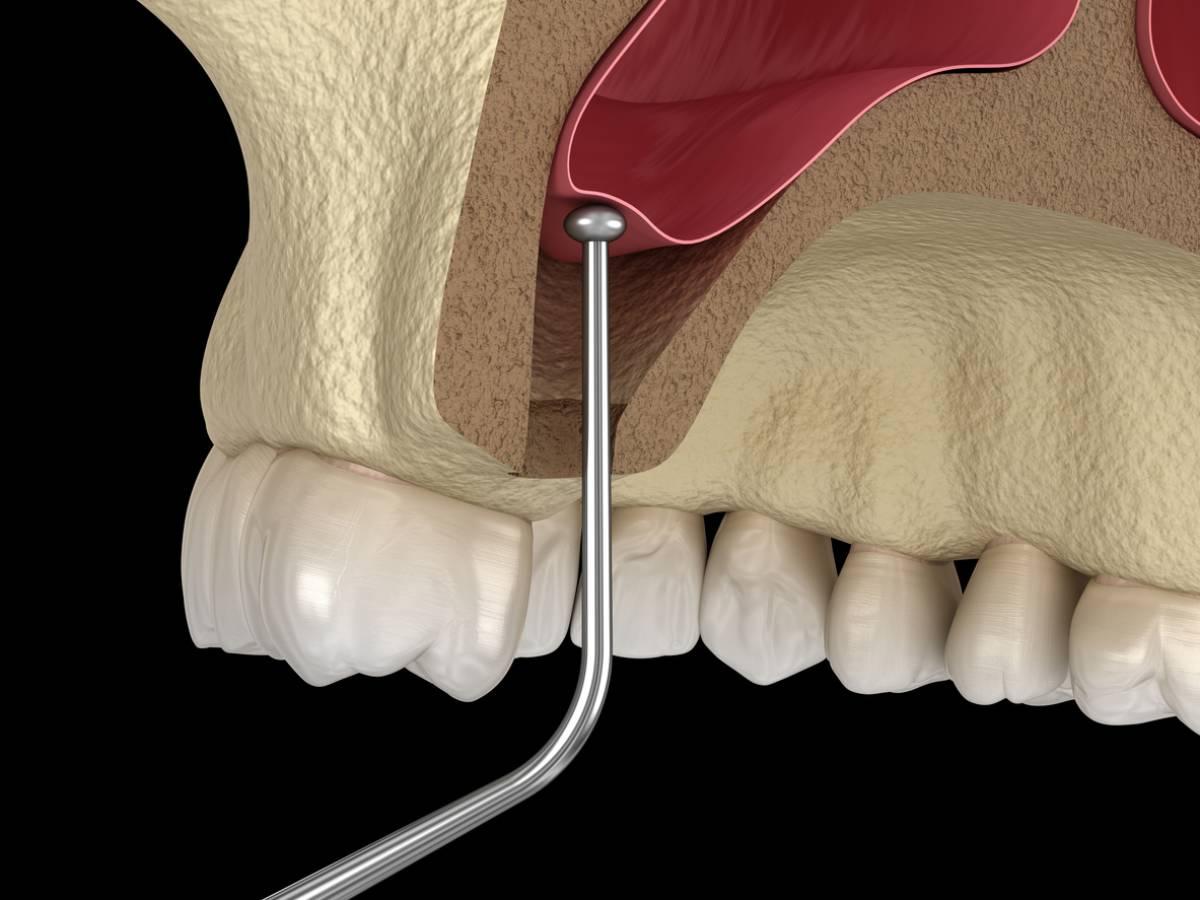
A sinus lift starts with local anesthesia and usually a lateral or crestal approach to the upper back jaw. Your surgeon makes a window in the side of the sinus or goes through the implant site itself.
They’ll gently lift the sinus membrane away from the floor, then pack graft material underneath to boost vertical bone height.
The surgeon closes up the window or access point with sutures. Healing can take 4–8 months, especially if you need a bigger lift or it’s done in stages before implants.
Materials Used in Each Procedure
You’ll see four main types of graft material: autograft, allograft, xenograft, and alloplast. Autografts use your own bone (from your chin, jaw, or even hip) and bring live cells and growth factors, but need a second surgery spot.
Allografts (from human donors) and xenografts (usually cow bone) work as scaffolds and avoid that extra surgery. Alloplasts are synthetic—like hydroxyapatite or beta-tricalcium phosphate—and don’t carry any disease risk.
For sinus lifts, surgeons often pick slower-resorbing materials like xenograft, or mix it with autograft, to hold the space under the lifted membrane. For regular ridge grafting, autograft or allograft with a resorbable membrane is common for quicker healing.
Indications and Patient Eligibility
You’ll need enough bone and healthy gums to support an implant. Your specific anatomy decides if you get a regular bone graft or a sinus lift.
Common Dental Scenarios for Each Procedure
- Bone grafts are for localized bone loss after extractions, gum disease, injury, or missing teeth for a while. If you need to rebuild width or height right where the implant goes, this is the way.
- Sinus lifts come into play when the upper back jaw doesn’t have enough vertical bone because the sinus floor is too close. If your scan shows less than 8–10 mm of bone height, you’re probably looking at a sinus lift.
- Both procedures use any of the graft materials mentioned. Sometimes you’ll need to wait 4–8+ months before getting implants, but in some cases, your dentist might place the implant at the same time as the graft.
Assessment and Diagnostic Criteria
- During your exam, your dentist checks gum health, nearby tooth movement, and the shape of your ridge. Any infection or gum disease needs fixing before grafting.
- Panoramic X-rays and a cone-beam CT (CBCT) give detailed bone and sinus measurements. CBCT helps the dentist spot sinus septa and decide which sinus lift approach works best.
- You’ll need to have any chronic conditions (like diabetes) under control, avoid heavy smoking, and be cleared for oral surgery. Medications and sinus issues can affect your eligibility.
- Your surgeon will look at nearby tooth roots, old implants, or sinus problems to see if the plan needs tweaking. Only after all this will you know which procedure fits you.
Potential Risks and Recovery Factors
Recovery and risks depend on which procedure you have. Expect healing to take weeks or months, and keep an eye out for infection, graft failure, or sinus issues.
Healing Timeline Variations
Healing after bone grafts or sinus lifts varies with the type and size of graft, plus your overall health. Small grafts in the lower jaw might be ready for implants in 3–4 months.
Larger or onlay grafts, and most sinus lifts, usually need 6–9 months before you can get implants.
Smoking, uncontrolled diabetes, and poor oral hygiene drag out healing and bump up the risk of graft loss. Some medications, like bisphosphonates, can slow things down too.
Your surgeon will keep an eye on things with X-rays. You’ll probably have follow-ups at 1–2 weeks, then again around 3 months, and before planning your implant to make sure there’s enough bone.
Possible Complications
Infection and wound opening top the list of complications. If you don’t treat them, they might lead to partial or complete graft failure.
For sinus lifts, there’s a risk of perforating the Schneiderian membrane. That could mean repairs, a delayed procedure, and a higher chance of infection.
Graft resorption—basically, losing the bone you just added—sometimes happens. If the graft’s near the inferior alveolar nerve, you might notice nerve irritation.
Swelling or pain can drag on longer than you’d expect. In rare cases, you’ll need another surgery to fix or replace failed graft material.
Stick to your postoperative instructions. That means taking antibiotics, rinsing with saline after sinus lifts, and definitely not blowing your nose too hard.