Gum disease can quietly destroy the tissues and bone that hold your teeth in place. Yes — you can lose teeth even if it never hurts.
If you ignore bleeding, swollen, or receding gums, the infection can progress pain-free and eventually loosen teeth by eroding the support structures beneath the gum line.
You might be surprised at how often the condition advances without any obvious pain. Bacteria and inflammation slowly undermine bone and ligaments, and sometimes it feels like you don’t notice until it’s almost too late.
Let’s talk about the signs to watch for, what causes the damage, and some practical actions you can take now to protect your smile—and if gum disease has already led to tooth loss, exploring affordable dental implants in Southfield, MI can help you rebuild both function and confidence without breaking the bank.
Silent Progression of Gum Disease
Gum disease often creeps up quietly, damaging the tissues and bone that hold your teeth. Small changes—bleeding, bad breath, subtle tooth mobility—can signal a process that becomes harder to reverse the longer it goes unchecked.
Gum Inflammation Without Noticeable Pain
You can have gingival inflammation (gingivitis) without any pain. Early inflammation rarely triggers strong pain receptors.
Gums might look a little red or feel tender when you poke at them, but most people only notice bleeding when brushing or flossing.
Bacterial plaque sets off the immune response that causes swelling and redness. If you leave plaque for weeks or months, inflammation can sneak deeper into the attachment structures without causing consistent discomfort.
Early Warning Signs Often Overlooked
Watch for signs you might brush off: gums that bleed during brushing or flossing, persistent bad breath, receding gum lines, and gums that look puffy or darker than usual.
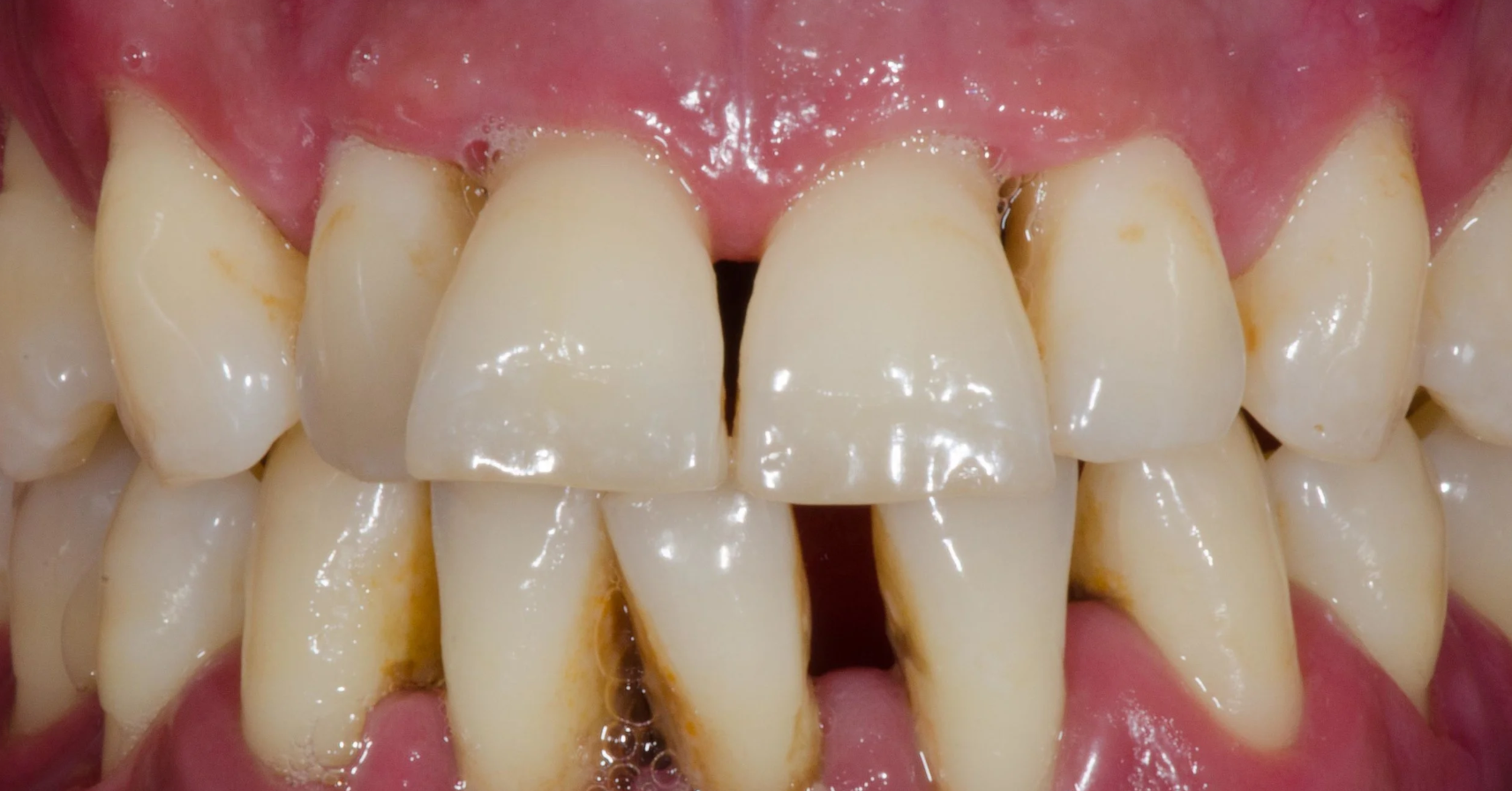
You might also notice increased sensitivity to hot or cold, or food packing between teeth. A new gap between teeth, a bite that feels off, or feeling a tooth loosen when chewing can mean attachment loss.
These signs often get people to the dentist only after significant damage has happened. It’s frustrating, but it’s common.
Common Stages and Their Symptoms
Gingivitis: Gums are red, swollen, and bleed easily. This stage is reversible with better oral hygiene and a professional cleaning.
Pain is pretty rare at this point.
Early periodontitis: Inflammation goes below the gum line, causing pockets and starting bone loss. You might notice chronic bad breath, mild gum recession, and occasional sensitivity.
Moderate to advanced periodontitis: Bone and ligament destruction gets worse and leads to tooth mobility, shifting teeth, deeper pockets, pus around gums, and eventually tooth loss if you don’t treat it. Pain can show up, but often only after infection or rapid destruction.
How Gum Disease Damages Tooth Support
Gum disease destroys the tissues and bone that hold your teeth in place. It can sneak up, reduce support, and make teeth loose or fall out without causing pain.
Bone and Tissue Breakdown
Bacterial plaque on your teeth triggers inflammation in the gums. In the early stages (gingivitis), this is just gum swelling and bleeding.
If you don’t remove plaque, inflammation goes deeper and forms pockets between gum and tooth. Once pockets form, bacteria and their byproducts reach the periodontal ligament and jawbone.
The body’s immune response releases enzymes and chemicals that break down collagen in the ligament and resorb bone. Over time, you lose bone height and the connective tissue attachment that anchor each tooth.
Smoking, uncontrolled diabetes, and poor oral hygiene speed up this breakdown. Regular professional cleanings and targeted periodontal therapy aim to stop inflammation and save your bone and soft-tissue support.
Impact on Tooth Stability
Tooth stability depends on three main things: the periodontal ligament, alveolar bone, and the junctional epithelium. When any of these weaken, your tooth starts to move under normal chewing forces.
Mobility might show up as a slight wobble when you bite, and it can get worse — shifting teeth, new gaps, or teeth that tilt or move outward. This messes with your bite and raises the risk of trauma from everyday chewing.
Depending on how bad things get, options differ: splinting can stabilize mobile teeth, deep cleanings and local antimicrobials can slow down early support loss, and dental implants or bridges can replace teeth when support is gone.
Risks of Untreated Periodontal Infection
If you leave periodontal infection untreated, pocket depth and bone loss usually get worse. Pockets greater than 5 mm often trap bacteria and calculus that are tough to remove.
Advanced disease raises the chance of losing teeth for good, trouble eating, and needing complex surgery like bone grafting or tooth extraction followed by replacement. Systemic conditions, especially poorly controlled diabetes and smoking, make it more likely that conservative therapy won’t work.
Timely diagnosis, pocket measurement, and X-rays let your dentist or periodontist target treatment that reduces bacteria and limits more damage.
Prevention and Timely Intervention
Act fast to stop gum disease before it advances. Regular professional care, daily plaque control, and quick attention to small changes protect bone and keep teeth stable.
Role of Professional Dental Care
Visit your dentist or hygienist as often as they suggest—usually every 3–6 months if you’re at risk for gum disease. Professional cleanings remove tartar that brushing can’t, and scaling and root planing can stop early bone loss.
Your provider will measure pocket depths and compare X-rays over time to catch subtle bone changes. If pockets deepen or bone loss shows up, they might suggest periodontal maintenance, localized antibiotics, or refer you to a periodontist for surgery.
Keep a record of your treatment dates, pocket measurements, and X-rays. These records help you and your dentist track progress and pick the least invasive option to save your teeth.
Importance of Consistent Oral Hygiene
Brush twice daily with a soft-bristled brush and fluoride toothpaste, about 2 minutes each time. Use interdental cleaning—floss, interdental brushes, or a water flosser—once a day to get plaque from between teeth where gum disease starts.
Swap your toothbrush every 3 months or after being sick. If your dentist recommends it, consider an antimicrobial mouthwash; it can help reduce bacteria but won’t replace brushing and flossing.
If you smoke, look for support to quit; smoking really raises the risk of gum disease progressing and makes treatment less effective. Control diabetes and keep up with regular medical care—systemic conditions can affect gum healing.
Monitoring and Recognizing Subtle Changes
Keep an eye out for bleeding after brushing. If your gums start pulling away from your teeth, or if your teeth feel a bit wobbly, that’s worth noting too.
Sometimes your bite feels different, or you might spot changes in the spacing between your teeth. These things can sneak up on you—often without any pain—yet they suggest attachment loss is getting worse.
Jot down symptoms in a basic log: date, what you noticed, and whether you’ve changed anything in your hygiene or health routine. It doesn’t have to be fancy, just enough to help you remember.
Take that log to your dental appointments. Your dentist can match up your notes with what they see and tweak your treatment plan quickly if needed.
Ask for probing and radiographs every now and then, especially if your dentist recommends it. Catching deeper pockets or bone loss early means they can step in with less invasive fixes—and honestly, that’s your best shot at keeping your tooth.