Losing teeth or seeing your jawbone change can leave you wondering why dental implants sometimes take more than one visit. Dentists often need multiple procedures to address bone health, gum condition, and precise placement — skipping these steps risks failure or an unnatural look.
That prep work protects your investment and helps the implant feel and work more like a real tooth. It’s not just about getting a new tooth; it’s about making sure it lasts.
You’ll see how healing, anatomy, and modern techniques shape the treatment plan. I’ll lay out what each stage does for your jaw and smile, and what you might want to ask your dentist so you’re not left in the dark—and if you’re missing multiple teeth, learning about All-on-4 dental implants could open up a more efficient path to a full, lasting smile.
Dental Implant Healing Processes
You’ll go through biological and surgical steps that make or break whether your implant becomes a stable, long-term fix. The bone needs to bond with the implant, and your gums have to adapt around it.
Recovery time? That’s going to depend on your health and the specifics of your case.
Osseointegration and Bone Stability
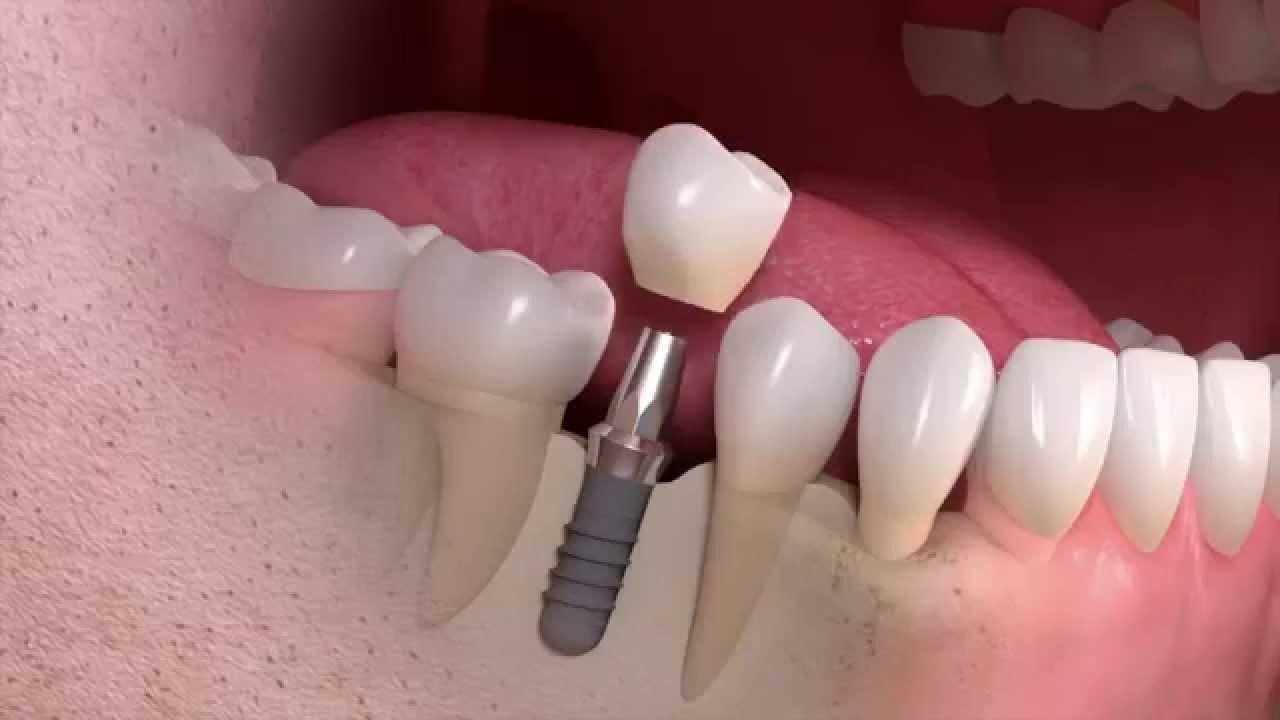
Osseointegration is when your jawbone connects directly with the titanium implant. This process starts within days, but honestly, it keeps going for months as bone cells grow into the tiny grooves of the implant.
A few things really affect how well this works:
- The implant’s surface and design (rougher surfaces help bone grow faster).
- The quality and amount of your bone (dense bone bonds faster than thin, spongy bone).
- Surgical technique and how tightly the implant fits at first.
If you don’t have enough bone, your dentist might suggest grafting — using your own bone, donor bone, or synthetic material. Grafting adds time, since the graft needs to become part of your jaw before the implant can really anchor.
Soft Tissue Adaptation
Your gums have to heal and seal around the implant or abutment to protect the bone and keep things looking good. Soft tissue healing starts right away.
Usually, the gums close up on the surface in a week or two, but deeper tissue takes longer to mature.
A few things matter here:
- How the dentist stitches and shapes the gum affects blood supply and the final look.
- If you need a tissue graft, you’ll need more healing time and might notice temporary changes.
- Good oral hygiene and not chewing on the area help cut down on inflammation.
A healthy, snug seal around the implant lowers the risk of problems like peri-implantitis. Sometimes, your dentist will wait to place the abutment to let the gums shape up before putting on the final crown.
Variations in Recovery Time
Recovery can range from a few days for gums to heal, to several months for the bone to fully bond. Most people see a total timeline of 3 to 8+ months, depending on what’s needed.
If you have good bone and stability, you might get a single-stage implant and move faster. If you need grafts or staged procedures, it’ll take longer.
Bone grafts or sinus lifts can add 3 to 9 months for the graft to heal. Health problems like uncontrolled diabetes or smoking slow things down and raise the risk of complications.
Immediate loading (putting a crown on right away) only works if the implant is rock-solid from the start. If not, your dentist will wait to protect the process.
Your dentist will watch your healing, adjust the timing for each step, and give advice on habits like quitting smoking or managing blood sugar to help things go smoothly.
Complex Patient Cases
Some folks need several treatments, especially if anatomy, infection, or old dental work complicate things. Expect careful checks, possible bone or tissue rebuilding, and maybe even seeing a specialist to get your bite and smile back.
Preexisting Oral Health Conditions
If you have gum disease or untreated infections, your dentist will deal with those first. Deep pockets, loose teeth, or abscesses mean you’ll need cleanings, maybe extractions, and sometimes antibiotics.
Healing after infection control usually takes 4 to 12 weeks, depending on how bad things are and your overall health.
Other issues—like heavy tooth wear, grinding, or wobbly dentures—change how forces hit your teeth and can threaten implants. Your provider might suggest bite adjustments, night guards, or temporary teeth to stabilize things before moving ahead.
If you’ve got complicated needs, you’ll probably go through staged temporary teeth to test how things work and look before getting the final crowns or bridges.
Bone Grafting Requirements
Not enough bone? That’s a big deal. If you’ve lost bone from extractions, trauma, or just time, your dentist might rebuild the ridge with grafts.
Grafts can come from your own body, a donor, animals, or synthetic materials. Which one you get depends on where it’s needed and how much bone you’re missing.
Sometimes, grafts go in months before the implant. Other times, the dentist does both at once if the bone is stable enough. Healing times vary — small grafts might be ready in 3–4 months, big ones can take 4–9 months.
You’ll need extra appointments and follow-ups to make sure the graft works before moving forward.
Sinus Lifting Procedures
If you need implants in your upper back jaw, sometimes the sinus sits too low or the bone is too thin. A sinus lift bumps up the sinus membrane and packs in graft material to create more bone height.
Surgeons use either a lateral window (more invasive but gives more space) or a transcrestal approach (less invasive, for smaller lifts).
Implant timing depends on how much bone is left. If you have at least 5–6 mm, sometimes they’ll place the implant right away. If not, you’ll wait 4–9 months for the graft to mature.
Expect instructions about sinus care and extra imaging to check the graft before the next step.
Technological and Procedural Advances
New tools and techniques give you more options — faster teeth or staged care for better predictability. Decisions about timing, imaging, and implant materials all play a role in whether you’ll need one procedure or several.
Staged vs. Immediate Loading Methods
Immediate loading means you get a temporary tooth within a couple of days after surgery. It looks and feels great right away, but you need strong bone and a super-stable implant — otherwise, there’s a real risk it won’t take.
Staged loading waits weeks or months for the bone to bond before adding the crown. This approach is safer if your bone isn’t dense or you’ve had a graft.
You’ll have more visits for abutment changes, gum shaping, and impressions. If you need bone grafts or sinus lifts, the staged path is the usual choice.
Digital Imaging and Planning
Cone-beam CT (CBCT) scans give detailed 3D maps of your jaw. Dentists use this info to plan exactly where to put the implant and avoid nerves or sinuses.
Guided-surgery software turns the plan into a surgical guide or navigation system. These guides can cut down chair time and boost accuracy, but sometimes the real bone doesn’t match the scan perfectly, so the dentist might need to adjust on the fly.
Digital workflows also let dentists design temporary or final teeth before surgery. That means you could get a same-day tooth if everything lines up, or go through staged steps if your gums or bone need more time to settle.
Differences in Implant Materials
Titanium and its alloys still set the bar for strength and reliable osseointegration. If you’ve got a thinner gum type or care a lot about how things look, zirconia implants might be your pick—they’re tooth-colored and don’t have that pesky grayish metal shadow.
People use surface treatments like titanium plasma spray, SLA, and hydrophilic coatings to boost early bone contact. These tweaks can let you load the implant sooner, which is honestly pretty appealing.
Some of those coated or porous designs help the implant grip better in softer bone. That might mean you won’t need extra grafting, which is always a relief.
Material choice also shapes your treatment plan. Ceramic implants sometimes box you in when it comes to future restoration, while certain titanium systems play nicely with temporary crowns and similar protocols.
It’s worth having a real conversation with your provider about the trade-offs. What matters most to you—long-term research, flexibility with the prosthetics, or just how it’ll look in your smile? There’s no one-size-fits-all answer.