Dental implants don’t get cavities. They’re made of metal and ceramic—not living enamel or dentin.
You won’t see a traditional cavity form in an implant crown or titanium post. But if you slack off on care, the tissues around an implant can absolutely get infected or inflamed.
Knowing that implants don’t decay shifts your focus. Now, it’s all about protecting your gums and jawbone.
Let’s dig into how dental implants in Easton, PA differ from natural teeth, what really affects their lifespan, and the habits and pro moves that keep your investment solid.
How Dental Implants Differ From Natural Teeth
Dental implants step in for missing teeth using engineered parts that mimic roots and crowns. But implants have some quirks—what they’re made of, how they deal with bacteria, and which tissues around them are still at risk.
Composition and Material Differences
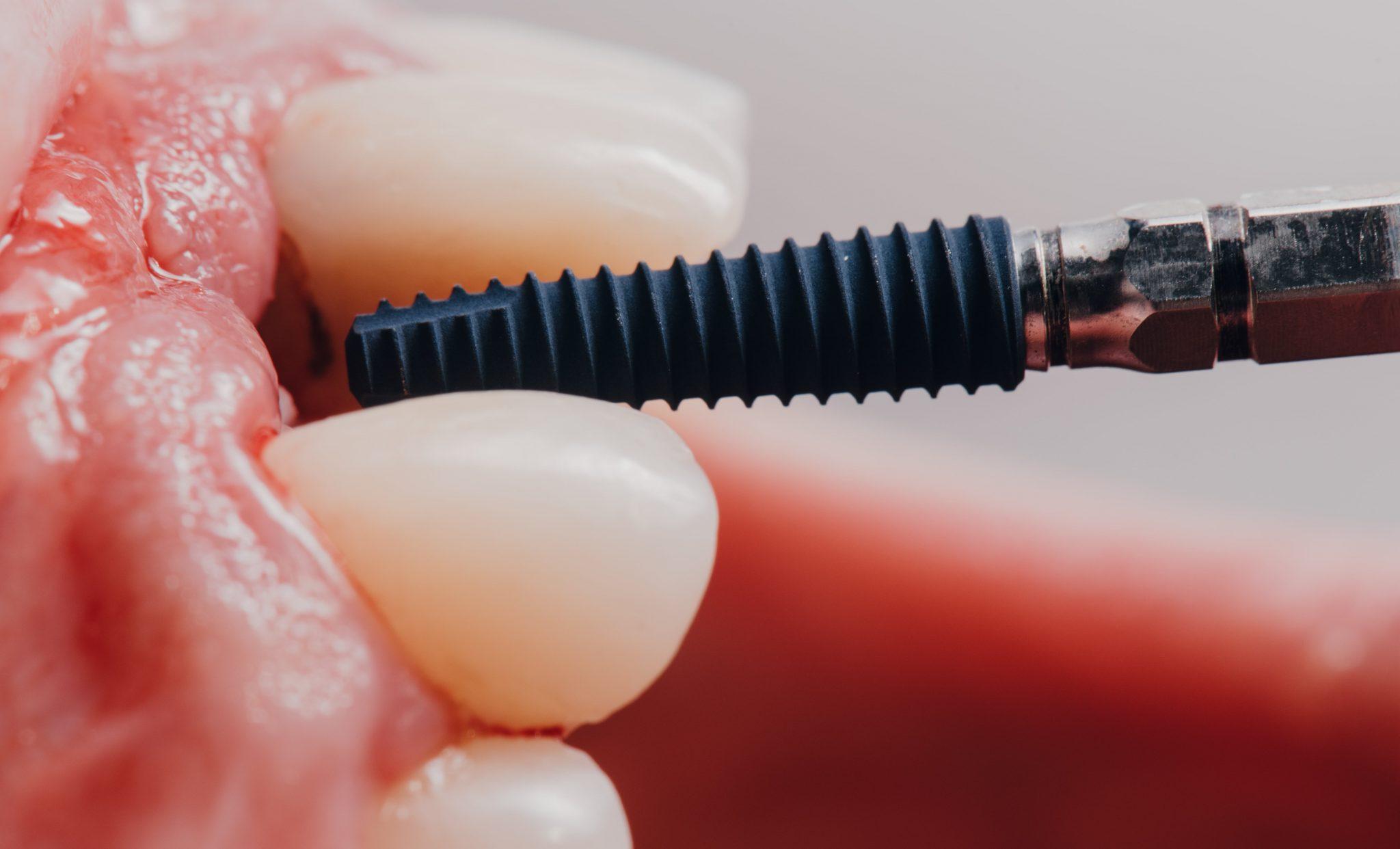
An implant has three main parts: a titanium (sometimes zirconia) post anchored in your jaw, an abutment that connects everything, and a crown made of ceramic or porcelain fused to metal. Natural teeth? They’ve got enamel, dentin, nerves, and a periodontal ligament that cushions the tooth in its socket.
Implants don’t have that ligament. Instead, the implant body fuses right into the bone.
These materials matter. Titanium and ceramic don’t demineralize like enamel, so cavities aren’t a thing here.
Crowns and abutments can still chip, wear, or need a swap after years of use. You’ll want to keep an eye on how the parts fit together and the wear and tear on the visible crown.
Resistance to Bacterial Decay
Implants and their crowns just don’t get caries like natural teeth do. Metals and ceramics don’t have living tissue for acids to attack.
Oral bacteria can still form plaque and biofilm on implant surfaces. There’s no living tooth structure for a hole to form, so traditional cavities don’t happen.
Still, plaque is a problem. Rough spots, poor-fitting crowns, or leftover cement give bacteria places to hide.
You need to brush and clean between your teeth every day to keep bacteria in check. Professional cleanings help catch what you might miss at home.
Vulnerability of Supporting Tissues
The bone and gums around an implant are still alive and can get inflamed or infected. Peri-implant mucositis (gum inflammation) and peri-implantitis (infection with bone loss) are like gum disease, but they move differently since implants lack a ligament and a real gum seal.
Skip your hygiene routine, and bacteria can cause your gums to recede and destroy bone around the implant. Smoking, uncontrolled diabetes, a history of gum disease, or a poorly designed crown crank up the risk.
Floss or use interdental brushes around implants daily. Don’t skip exams—your dentist needs to check for early signs of trouble.
Factors That Can Impact Implant Longevity
How long your implant lasts comes down to your daily care, gum and bone health, and habits like smoking or teeth grinding. Regular checkups and targeted treatment can prevent most implant failures.
Role of Oral Hygiene
You need to clear away plaque and biofilm from the implant and crown every day. Use a soft-bristled brush and a gentle toothpaste—harsh stuff can scratch the crown.
Floss or use interdental brushes at the implant-abutment junction daily. Those tight spaces love to trap bacteria.
Don’t skip pro care—book hygiene visits every 3–6 months so your clinician can clear calculus and check stability. If you struggle with dexterity, ask about water flossers or special cleaning aids.
Peri-Implant Disease Risks
Peri-implant mucositis means the soft tissue around an implant gets inflamed. Good news: it’s reversible if you catch it early.
If you let it go, it can turn into peri-implantitis, which destroys bone and often needs surgery.
History of gum disease, poor plaque control, leftover cement, and systemic issues like uncontrolled diabetes all pile on risk. Your dentist checks probing depths, bleeding, and X-rays to spot early bone loss.
Treating mucositis quickly—with better hygiene and professional cleaning—can stop it from getting worse.
Diet and Lifestyle Considerations
Smoking ramps up your risk of implant failure and peri-implantitis. Quitting helps a ton and speeds healing after surgery.
Heavy drinking and poor nutrition—especially not enough protein or vitamin D—make it harder for bone to heal and support the implant.
Don’t use your implant crown as a tool or chomp on super hard foods all the time. Too much force or teeth grinding can loosen screws, crack crowns, or even cause bone loss.
If you grind your teeth, talk to your dentist about a night guard. It’s worth it.
Preventive Maintenance and Professional Care
Keep your implants clean. Protect your gums and bone. Book regular checkups to catch anything off early.
Daily brushing, cleaning between teeth, and seeing your dentist regularly keep implants working and lower the risk of peri-implant disease.
Home Care Best Practices
Brush twice a day with a soft brush and gentle fluoride toothpaste to get plaque off implant crowns and nearby teeth. Use small, circular strokes at the gumline. Don’t scrub too hard—you’ll just irritate your gums.
Floss at least once a day using floss made for implants, a threader, or interdental brushes that fit your gaps. Clean under and around the crown edge and between the implant and its neighbors to wipe out biofilm.
Try extras like antimicrobial mouthrinses (short-term chlorhexidine, or an alcohol-free rinse for daily use) and water flossers for those tricky spots. Swap out your toothbrush every three months or sooner if it looks rough.
If you see bleeding, swelling, or notice your implant feels loose, call your dentist. Catching problems early can save your implant.
Importance of Regular Dental Visits
See your dentist or periodontist for an exam and professional cleaning every 3–6 months. The ideal interval depends on your risk factors.
Dental professionals use special instruments that are safe for titanium. They’ll check the health of your gums, measure probing depths, and look at bone support.
You’ll probably get X‑rays every year, or whenever your dentist thinks it’s necessary. These help them keep an eye on the bone around your implant.
Your clinician will also check how the restoration fits and feels in your mouth. They’ll look for bite issues or any wear that might put extra stress on the implant.
If they spot early signs of peri‑implant mucositis or peri‑implantitis, they can jump in with targeted treatment. That might mean mechanical cleaning, local antimicrobials, or, if things get tricky, surgical help.
Honestly, staying on top of these regular visits makes a huge difference. It’s one of those things that really pays off for your long‑term implant success.