Losing a tooth changes more than your smile—it messes with your bite, your jaw, and even the way nearby teeth behave. Honestly, you’ll want to replace a missing tooth within a few months if you can, because bone loss and shifting teeth can sneak up on you and make future treatment a headache.
Here’s what really goes on when you wait. I’ll cover how timing shapes your options—implants, bridges, you name it. Personal factors can change the timeline, too. Let’s dig into the health risks, functional impacts, and what your replacement paths actually look like—and if you’re dealing with a sudden tooth loss, reaching out to an emergency dentist in Hutto, TX sooner rather than later can make all the difference in keeping your options open.
Risks of Delaying Tooth Replacement
If you put off replacing a tooth, you risk some permanent changes to your bone, neighboring teeth, and even your bite. Each of these issues can make later treatment more complicated—and, yeah, pricier.
Bone Loss and Jaw Changes
Lose a tooth and the bone underneath doesn’t get the stimulation it needs anymore. The alveolar bone starts shrinking, sometimes within months, and this loss keeps going for years if you don’t step in.
You might lose vertical height and width at the extraction site, which can make future implants tricky. Sometimes you’ll need bone grafting or ridge augmentation just to get back to square one, and that means more time, money, and dental visits.
Bone loss can even change your facial profile. If bone support under your lip or cheek disappears, those areas might look flatter or a bit sunken. That can affect how dentures or other prosthetics fit and look.
Shifting of Adjacent Teeth
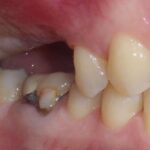
When there’s a gap, the teeth next to it usually start drifting over, since nothing’s holding them in place. You might notice tilting or rotation of nearby teeth within a few months or years.
This movement creates new gaps or crowding, which messes with your bite and makes cleaning a chore. More plaque builds up, and suddenly you’re looking at a higher risk for cavities and gum disease right next to the gap.
If your teeth have already moved, you might need braces or other orthodontic work before you can get an implant or bridge. That adds more time and expense, and sometimes limits what you can do right away.
Bite Misalignment
A missing tooth throws off how your top and bottom teeth meet when you chew. You could end up with an uneven bite, putting too much pressure on the remaining teeth.
That kind of stress can wear down teeth, crack them, or break existing dental work. Some people start to feel jaw pain, headaches, or even TMJ symptoms because their jaw mechanics are off.
Fixing bite problems isn’t always simple—it might mean bite adjustments, braces, or even bigger restorative work. All that is way more involved than just replacing a missing tooth early on.
Oral Health and Functional Impact
When a tooth goes missing, your mouth doesn’t work the same. Eating, talking, even just chewing gum—it all feels different. You’ll probably notice right away that your bite force changes and your tongue has to adapt.
Altered Chewing and Digestion
With a tooth gone, you lose some chewing surface and efficiency on that side. You might start chewing mostly on the other side, which wears those teeth out faster and can make your jaw muscles sore.
Food that isn’t chewed well puts more strain on your stomach and intestines. Over time, that can mean indigestion or your body just not getting as much nutrition from your meals.
If you’re missing a front tooth, biting into things like apples or sandwiches gets tricky. Lose a molar and you’ll struggle with tougher foods—think steak or crunchy veggies. Over time, these changes can lead to uneven wear, jaw pain, or even more gum inflammation around the gap.
Speech Difficulties
Missing a front tooth, especially an incisor or canine, changes how you speak. You might notice a lisp or trouble with certain sounds—“s,” “z,” “th,” or “f.” These issues can show up right away and get worse if other teeth start to move into the gap.
Speech therapy sometimes helps, but honestly, getting a replacement tooth—like an implant, bridge, or even a removable partial—usually fixes the problem better. Temporary options (like flippers or provisional dentures) can help you get by while you figure out a long-term fix. Adjusting the shape of your prosthesis can also help fine-tune your speech.
Factors That Influence How Long You Can Wait
How long you can safely wait to replace a missing tooth depends on a bunch of things: where the tooth is, how you take care of your mouth, your age, and your overall health. All these factors play a role in bone loss, tooth shifting, chewing, and how tricky future treatment might get.
Location of the Missing Tooth
Front teeth—incisors and canines—affect your look and speech right away. If you lose one, try to replace it within weeks or a few months. That helps you avoid bite changes, social worries, and unwanted tooth movement. If you need time, a temporary flipper or bonded acrylic tooth can hold the spot.
Back teeth—premolars and molars—do most of the heavy chewing and help keep your jawbone healthy. Lose a molar and bone loss speeds up, making implants harder down the road (sometimes you’ll need a bone graft). If you’re missing a back tooth, get checked out within a few months and talk to your dentist about implants, bridges, or partials.
If you’re missing several teeth in a row, things can go downhill fast. Teeth start tipping, chewing gets weird, and you might notice your bite changing or food getting stuck. The sooner you deal with it, the better.
Individual Oral Hygiene Habits
How you care for your teeth makes a big difference. If you brush twice a day, floss carefully around the gap, and see your hygienist every few months, you’ll slow down bone loss and keep your gums healthier. Good habits also protect the teeth next to the gap from decay and gum disease.
If you slack on hygiene, bone loss and gum problems speed up. Plaque builds up, gums recede, and the teeth next to the gap get weaker. If you notice bleeding, bad breath, or loose teeth, don’t wait—get the gap checked out sooner.
Habits like smoking, grinding your teeth, or uncontrolled diabetes make things worse. Smoking, for example, slows healing and makes implants more likely to fail. If you’ve got these risk factors, it’s worth talking to your dentist about quicker replacement or protective options.
Age and Overall Health
Younger folks usually see their teeth move faster after a loss because their bones remodel more quickly. If you’re young and hoping for an implant later, get a temporary space holder or provisional prosthesis sooner rather than later.
Older adults might lose more bone if a gap sits too long, and healing after surgery can take longer. Conditions like osteoporosis or certain meds (like bisphosphonates) affect bone quality and may change whether you’re a good candidate for implants. Always share your full medical history with your dentist.
If you have diabetes, autoimmune issues, or take meds that affect your bones, your dentist will adjust the timing and type of replacement. Sometimes they’ll move faster; other times, they’ll wait until your health is stable.
Long-Term Outcomes and Replacement Options
A missing tooth doesn’t just mess with your jawbone—it changes your bite and what kinds of restorations work for you. Planning ahead can save you from needing bone grafts, braces, or temporary fixes that drag on for years.
Suitability of Dental Implants
Dental implants need enough jawbone height and width to work well. If you act within a few months after losing a tooth, you can usually skip major bone grafting. Wait too long, and you might need ridge augmentation or sinus lifts before you can even think about an implant.
Your general health matters a lot. If you keep your diabetes controlled, don’t smoke, and have good oral hygiene, implants tend to do better. For most people, implants are the gold standard for replacing a single tooth—they keep your bone healthy and look and feel like the real deal.
The upfront cost is higher than a bridge or partial, but implants usually last longer. The crown might need replacing every 10–15 years, but the implant itself can last for decades if you take care of it.
Changes in Treatment Complexity Over Time
The longer you wait, the more likely your teeth will shift or the tooth above (or below) will over-erupt. That can shrink the space for a new tooth and sometimes means you’ll need braces before you can get a bridge or implant.
Bone loss starts soon after extraction and is most noticeable in the first 6–12 months. That can force you into extra procedures—bone grafts, ridge work, or soft tissue grafts—which cost more and take longer to heal.
If you put off replacement, you might end up with a removable partial denture as a stopgap. Those can make you look better quickly, but they need frequent tweaks and don’t stop bone loss underneath. That just adds more complications in the long run.
Restoring Aesthetic Appearance
Front-tooth gaps are probably the most obvious and can really bother people. The type of replacement you pick will depend a lot on how it looks.
Implant crowns and bridges—whether adhesive or traditional—both give natural-looking results. Implants keep your other teeth untouched, but bridges usually mean the dentist has to shape or crown the teeth next to the gap for support.
Getting the shade right, matching the gum contour, and making sure the crown emerges naturally all play a big part in how it looks in the end. If you’ve lost some bone or gum, you might need tissue grafts or pink-ceramic parts to rebuild a lifelike gum line before you finish things up.
You can go for temporary fixes like resin-bonded bridges, flippers, or removable partials while you figure out your long-term plan. Ask your dentist about how long things will take, what kind of upkeep you’ll need, and what you can expect to see when it’s all done.