Deciding between implant-supported bridges and individual implants really depends on what you care about most—cost, bone preservation, and how many teeth you need to replace.
If you’re missing several teeth in a row, an implant-supported bridge can save you money and time. Individual implants, on the other hand, usually give you the best bone support and the most natural feel for each tooth.
Let’s break down how each option works, what you can expect during treatment, and what the pros and cons actually look like in real life. Hopefully, this helps you figure out what fits your mouth, budget, and lifestyle—and if you’re ready to talk it through with a professional, a top dentist in Brentwood, TN can help you weigh your options and build a plan that works for you.
Fundamental Differences Explained
The treatments have some big differences in steps and timeline.
You’ll also notice differences in the materials dentists use and what factors push the choice one way or the other.
Treatment Procedures
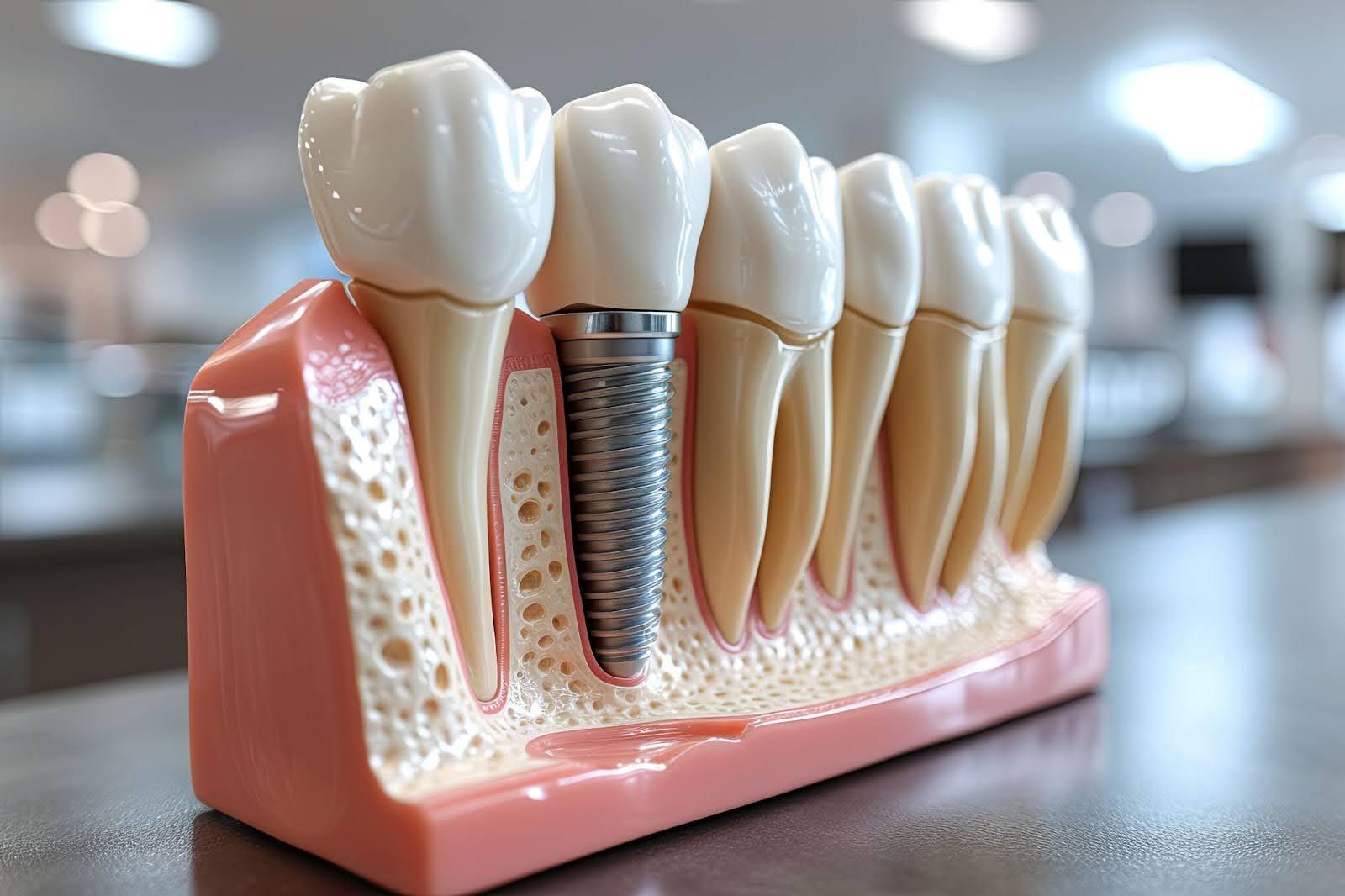
Implant-supported bridges use fewer implants than individual implants. Usually, your dentist will place two or more implants to hold up a bridge that replaces several teeth.
The implants go into your jawbone and need a few months to heal and fuse with the bone. After that, you get abutments and a bridge that’s all connected.
With individual implants, you need one implant for each missing tooth. Each implant gets its own crown, so the process repeats for every tooth you’re replacing.
This can take longer and cost more if you’re missing a bunch of teeth, but it lets you keep each tooth separate for easier cleaning and function.
Surgically, implant-supported bridges might mean fewer holes in your jaw, but your dentist has to plan the spacing carefully. Individual implants need enough bone at each spot, and sometimes you’ll need grafting if there’s not enough bone.
Restoration Materials
Both options use similar materials for the parts that go into your jaw—usually titanium, sometimes zirconia if you want to avoid metal.
For the visible part, dentists often use porcelain or zirconia for strength and looks. Bridges get built as a single piece with porcelain layered on for a natural look, while individual crowns are separate units attached to each implant.
Zirconia’s strong and doesn’t stain much, but it can be rough on opposing teeth. Porcelain over a strong base looks great for front teeth, but the veneer can chip, especially on longer bridges.
Suitability Criteria
You need to think about your oral health, how much bone you’ve got, and your budget.
Implant-supported bridges work well if you’re missing several teeth in a row and don’t have enough bone between the gaps. Two well-placed implants can support three or four teeth, which is handy if the bone’s thin in the middle.
Individual implants make sense if you have enough bone everywhere and want to keep each tooth separate. They’re great if you want easier cleaning and want to avoid big bridges.
Your medical history matters too. If you have uncontrolled diabetes, smoke a lot, or grind your teeth, your dentist might suggest fewer implants or a staged approach.
Money’s always a factor—bridges usually cost less per tooth, but they can be trickier to clean and fix down the road.
Key Advantages and Disadvantages
You’ll want to think about how your smile looks, how sturdy the replacement is, and what it’ll cost you now and later.
Both options have their own trade-offs, and honestly, neither is perfect.
Aesthetic Outcomes
Individual implants let your dentist shape the gum around each crown, so the transition from tooth to gum looks really natural.
You’ll usually get better gum fill between teeth, which helps avoid those annoying black triangles.
Implant-supported bridges can look great too, especially if your dentist is skilled and plans carefully. But since one bridge covers several teeth, it’s harder to fine-tune the gum shape for each tooth.
If you’ve got wide gaps or uneven bone, bridges might need custom shapes or even soft-tissue grafts to look right.
Longevity and Durability
Individual implants work as stand-alone units. If one fails, the others usually stay fine.
That makes repairs easier and can keep everything working longer, as long as you keep up with cleaning.
With good care, individual implants can last for decades.
Implant-supported bridges spread chewing forces over a few implants, which can be good when replacing several teeth.
But if one implant in the bridge fails, you might have to remove or redo the whole thing. That’s a pain, honestly.
Both options need regular check-ups and maintenance to avoid bone loss and other issues.
Cost Implications
Individual implants cost more per tooth since each one needs its own surgery, abutment, and crown. If you’re replacing several teeth, expect a higher bill upfront.
Over time, though, individual implants can be worth it if they cut down on future repairs.
Implant-supported bridges use fewer implants, so the initial cost is lower. But you still pay for a multi-tooth bridge, and if something goes wrong, fixes can get expensive.
Think about both the upfront price and what you might spend on repairs or extra procedures later.
Patient Experience and Long-Term Considerations
You’ll need to consider how long recovery takes, what daily cleaning looks like, and what problems might pop up down the road.
Each option comes with its own set of practical realities.
Recovery and Healing Time
Getting individual implants means healing at each site. Usually, you’ll need 1–2 weeks for the gums and a few months for the bone to fuse before you get the final crowns.
If you get temporary teeth right away, expect some soreness and a softer diet for a week or two.
An implant-supported bridge usually means fewer surgeries, so recovery can be a bit quicker if you’re replacing several teeth.
But if you need bone grafts or sinus lifts, that adds months no matter which option you pick.
You’ll need follow-ups at one week, then again at 6–12 weeks, and some more while the implants heal.
Pain usually stays manageable with over-the-counter meds, but if you get severe pain or swelling for more than a week, call your dentist.
Oral Hygiene and Maintenance
With single implants, you can brush and floss each crown like a real tooth. Nylon floss or an interdental brush works well for cleaning around the implant.
Plan on professional cleanings every 3–6 months, depending on your gum health.
Implant-supported bridges need more careful cleaning under the bridge. You’ll probably use a floss threader, water flosser, or interdental brush to keep food and plaque out from under the bridge.
If you slack on cleaning, you risk gum inflammation around the implants.
Both options need regular x-rays—usually once a year—to check bone around the implants.
Smoking, uncontrolled diabetes, and poor hygiene make maintenance harder and can speed up bone loss. Fixing those habits helps your implants last longer.
Potential Complications
The most common complications include infection, failure of osseointegration, and prosthetic issues like loose screws or fractured crowns. If you have individual implants, each failure only affects one tooth.
That setup usually makes fixing problems more localized—and honestly, sometimes a bit simpler. But with implant-supported bridges, things get trickier.
If one abutment implant fails, it can put the whole bridge at risk. Sometimes you even have to remove the entire prosthesis, which is never ideal.
On the flip side, bridges have fewer prosthetic joints than multiple single crowns. That can cut down on certain mechanical failure points.
Long-term bone loss around implants (peri-implantitis) and soft-tissue recession can happen with both options. Expect your dentist to check pocket depths, bleeding on probing, and bone levels on X-rays from time to time.
Catching issues early—and doing a good cleaning or targeted treatment—often saves the implant. It’s not foolproof, but it helps.