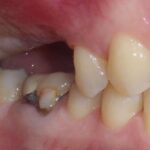
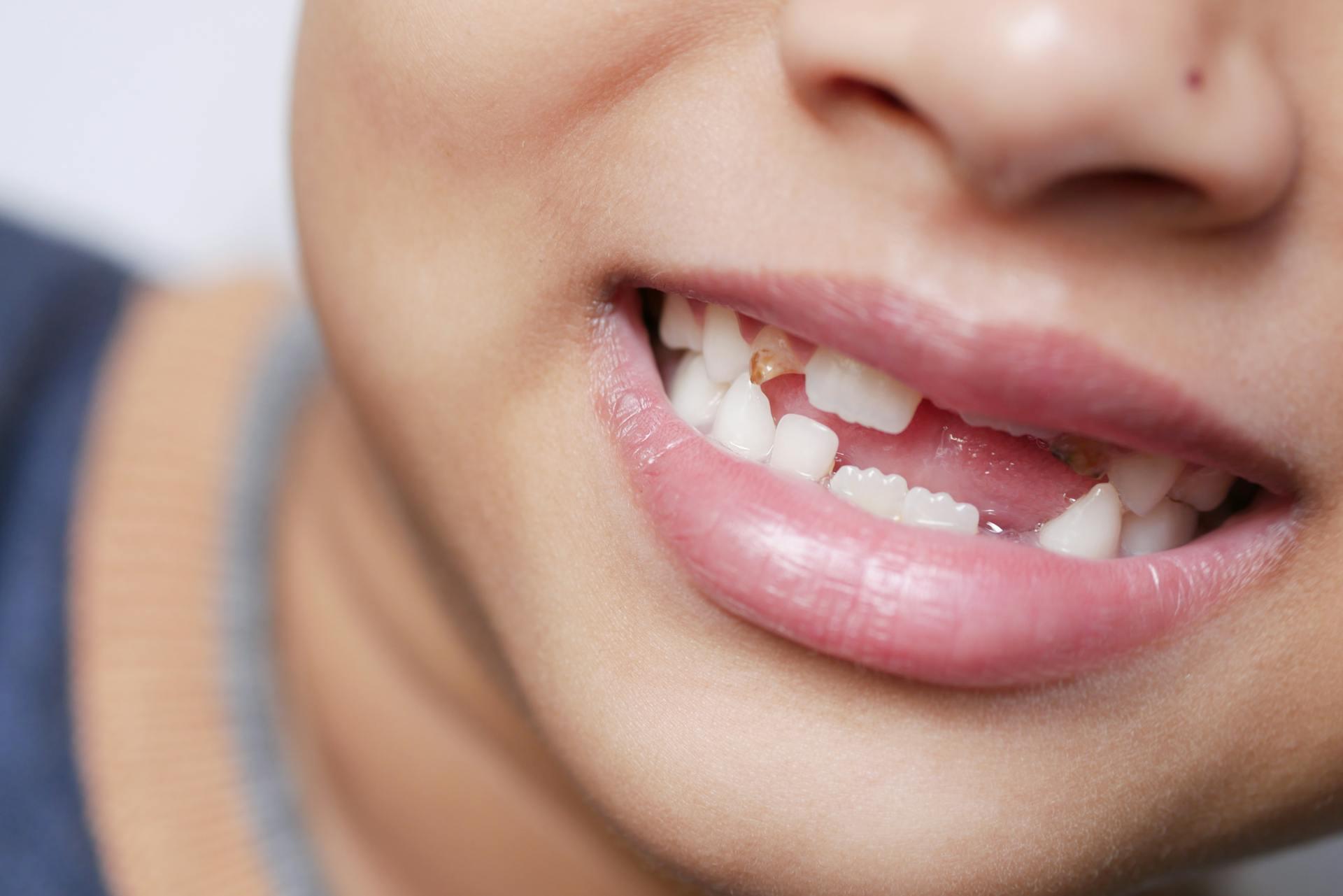
Losing a tooth changes more than your smile — it shifts the forces and support around the empty space. When you’re missing a tooth, neighboring teeth tend to drift or tilt into the gap, which can mess with your bite, make cleaning trickier, and raise the risk of decay and gum problems.
Those shifts can start soon after extraction and keep progressing for months or even years. The jawbone under the gap also gradually resorbs. Here’s what to expect right away, how long-term bone and gum changes can impact function and appearance, and which replacement options help protect your bite and oral health—and if you’re ready to take the next step, a trusted dentist in High Point, NC can help you find the right solution before those changes become harder to reverse.
Immediate Dental Changes
You’ll notice both visible and structural changes pretty quickly after losing a tooth. Nearby teeth start to move, your bite feels different, and the socket begins reshaping within weeks to months.
Shifting of Adjacent Teeth
When a tooth is gone, the teeth next to it lose one of their contact points and can start drifting into the empty space. This drifting usually kicks off within weeks and keeps going gradually. Teeth might tip, rotate, or migrate along the dental arch, trying to re-establish contact.
Shifting creates new gaps, crowding, or overlapping that makes cleaning harder and raises the risk of decay or gum disease.
What might you notice right away?
- A little tipping of the tooth next to the gap.
- Slight rotation or movement toward the space.
- Flossing gets harder where contacts change.
If you want to limit movement, talk to your dentist about temporary fixes (like a removable retainer) or permanent replacements (implant, bridge) that restore contact and stop the drift.
Altered Bite Alignment
Losing a tooth changes how your upper and lower teeth meet when you chew. The tooth opposite the gap may start to super-erupt into the space because it doesn’t run into anything anymore.
This can create new pressure points and uneven wear on enamel pretty quickly.
Keep an eye out for:
- Sensitivity or pain when biting on certain teeth.
- Your bite feeling off or not closing the same way.
- Quick wear, chipping, or more pressure on neighboring teeth.
Jumping in early with bite adjustments or a replacement tooth can help you avoid jaw pain or bigger orthodontic work down the road.
Socket Bone Resorption
After extraction, the jawbone that held the tooth starts to remodel and lose volume — that’s called resorption. Bone loss begins in the first month and gets more pronounced over six to twelve months if the socket stays empty.
Losing ridge height and width changes the foundation for neighboring teeth, making them more likely to tilt into the space.
You might notice:
- The ridge where the tooth was looks narrower or flatter.
- Over time, adjacent teeth may feel a bit loose.
- Fitting future implants gets tougher without bone grafting.
Ask your dentist about socket preservation (bone grafting, timely implant placement) to help keep bone volume and support for nearby teeth.
Long-Term Oral Health Effects
Losing a tooth changes how forces move through your mouth, messes with cleaning access, and can trigger tissue changes that affect nearby teeth and bone. You’ll face a higher risk of cavities, gum infection, and gradual jawbone loss where the tooth used to be.
Increased Risk of Tooth Decay
When a tooth goes missing, the neighbors often tilt or drift, creating odd contact points and tighter or weird gaps. Cleaning gets harder, so food and bacteria can collect in spots you didn’t have to worry about before.
You might see new grooves or exposed root surfaces on tilted teeth. Roots don’t have enamel, so they decay faster than the visible part of your teeth. Watch for sensitivity, dark spots near the gumline, or bad breath — those are early warnings.
How can you help yourself here?
- Brush twice a day with fluoride toothpaste and use interdental brushes for wider gaps.
- Floss or use a water flosser to reach awkward contacts.
- Book dental exams every 3–6 months if you have missing teeth, so your dentist can catch early decay.
Development of Gum Disease
Tooth drift and new contact points change how plaque builds up along the gumline around adjacent teeth. More plaque means more inflammation, which can go from gingivitis to periodontitis if you don’t get it under control.
Inflamed gums bleed, recede, and expose more tooth root, which speeds up both decay and sensitivity. Bone loss from gum disease just adds to the bone loss from extraction, weakening the support for neighboring teeth.
Look out for persistent bleeding, swollen gums, loose teeth, or pus around the gums.
Want to reduce your risk?
- Step up your daily plaque control with targeted interdental cleaning.
- Get professional cleanings every 3–4 months if you already have gum disease.
- Consider early periodontal therapy (like scaling and root planing) if pockets or bleeding keep showing up.
Loss of Jawbone Density
After a tooth is removed, the bone in that area stops getting the same mechanical stimulation. Over months to years, the bone remodels and resorbs, shrinking the ridge next to the extraction site.
As bone height drops, teeth nearby can get looser and your bite starts to shift. It also makes replacing teeth harder — you might need bone grafts for implants, or dentures may not fit as well.
Bone loss creeps up, but your dentist can track it on X-rays.
What helps slow bone loss?
- Replace missing teeth soon with an implant, since it preserves bone by transmitting chewing forces.
- Bridges or dentures restore function and limit drifting, but they don’t keep bone like implants do.
- Keep your gums healthy and skip smoking, since that speeds up bone loss.
Functional and Aesthetic Consequences
Losing a tooth changes how you eat, speak, and even how your face looks over time. Let’s look at what can happen to chewing, speech, and facial support — and what to watch for.
Speech and Chewing Difficulties
When you lose a tooth, the teeth next to it can tilt or drift, changing how your upper and lower teeth meet. Chewing gets less efficient on that side, so you might start favoring the other, which puts more wear and stress there.
Speech problems show up if you’re missing a front tooth or a molar that helps control airflow and tongue position. You might notice lisping, slurred consonants, or trouble with sounds that need precise tongue placement.
Usually, these issues get better with a replacement tooth (bridge, partial denture, or implant crown) that restores the right position and contacts.
If chewing gets painful or uneven, you risk jaw muscle fatigue or TMJ discomfort. Filling the gap quickly helps restore balance and eases long-term strain on your remaining teeth and jaw joints.
Changes to Facial Structure
The tooth root usually stimulates the jawbone around it. When you lose a tooth, that bone starts shrinking, and you end up with less volume in that spot.
Over time, this bone loss can weaken support for the soft tissues near where the tooth was. You might notice some sagging in your cheek or lip on that side.
If you lose several teeth, the bone loss adds up. Your face might look shorter, those lines by your nose (nasolabial folds) can get deeper, and the lower part of your face may seem to cave in.
Dental implants step in to help by acting like a new root and keeping the bone strong. Bridges and dentures just fill the gap—they don’t stop the bone from shrinking where the tooth’s gone.