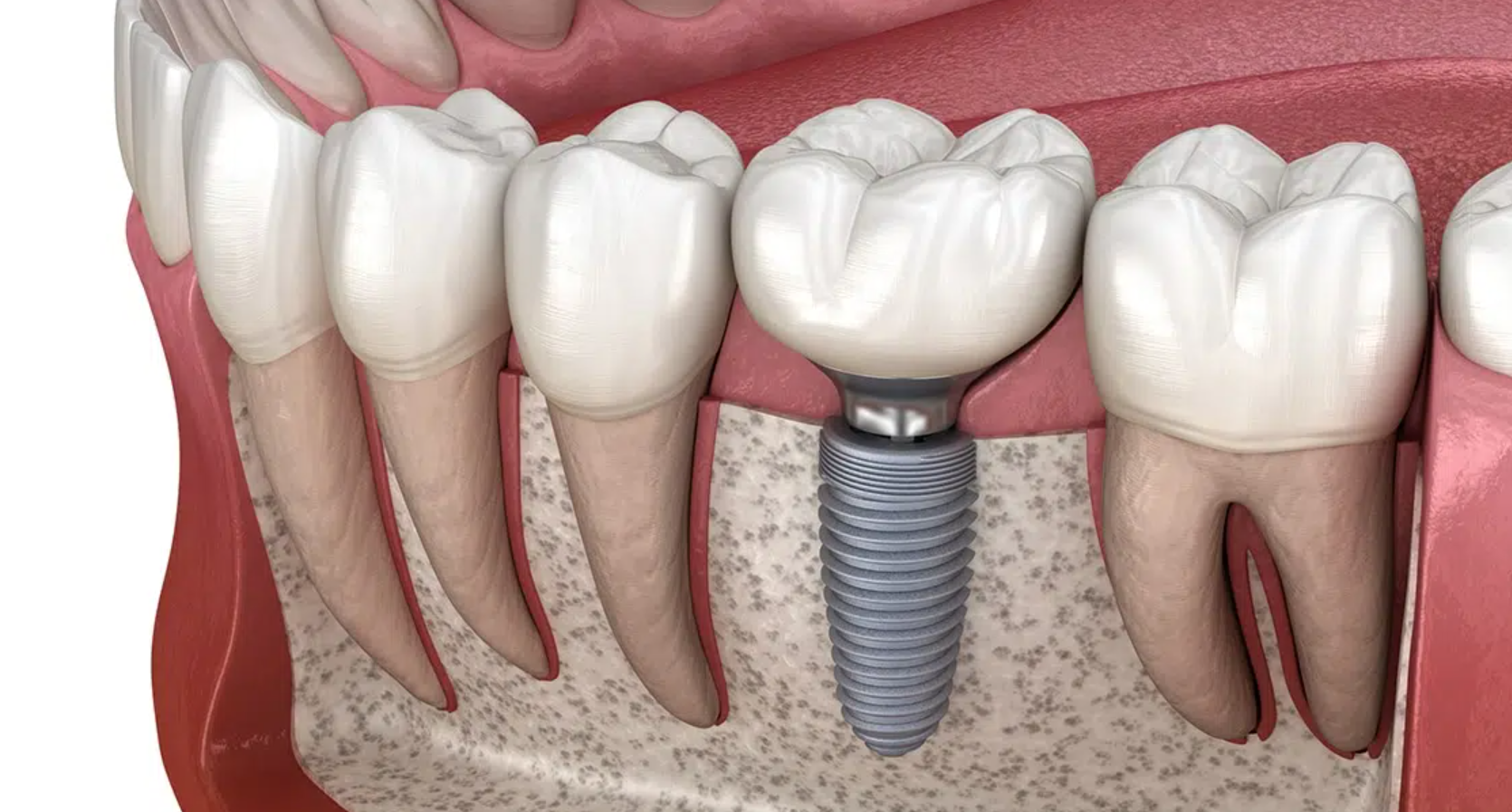
Dental implants can last for decades—if you actually care for them. Skip proper cleaning, miss dental checkups, smoke, or ignore recovery instructions, and you’ll probably shorten your implant’s lifespan. You also risk infection or bone loss.
Keep implants healthy by practicing consistent daily hygiene, showing up for regular professional maintenance, avoiding harmful habits, and following aftercare instructions as closely as you can.
This article runs through mistakes that can undermine implants, from everyday cleaning errors to lifestyle choices that make healing harder. You’ll find practical advice to spot risky habits and make small changes that could pay off for years—and if implants aren’t the right fit for your situation, exploring dentures in Cleveland, Ohio is a solid alternative worth discussing with your dental team.
Critical Daily Care Practices
Daily habits play a huge role in controlling plaque, gum inflammation, and mechanical stress on your implant. Focus on correct brushing, targeted cleaning between teeth, and choosing products made for implants. That’s how you lower your risk of peri-implantitis and prosthetic wear.
Ineffective Brushing and Flossing Techniques
Using a hard-bristled brush or scrubbing aggressively damages soft tissue and roughens abutment surfaces, trapping more plaque. Pick a soft-bristled toothbrush or an electric brush with a gentle head. Hold it at a 45° angle and use gentle, short strokes around the implant crown and gumline.
Flossing needs to clean the contact points and the sulcus around the implant without fraying or cutting your gums. Try floss made for implants (PTFE or waxed) or use a threader under fixed bridges. Slide the floss in a C-shape against the implant, moving it up and down—don’t snap it.
Brush twice daily and floss once a day. If you have a removable overdenture, take it out and clean all surfaces. Then, clean the implant abutments in your mouth. Bring up your technique at dental visits so your clinician can correct any unsafe habits.
Use of the Wrong Oral Hygiene Products
Abrasive toothpastes wear down prosthetic surfaces and expose rough spots that attract bacteria. Go for low-abrasivity toothpastes (RDA under 70) or gentle gel formulas when cleaning around implants.
Avoid metal-handled interdental brushes and hard picks that scratch implant parts. Nylon-tipped interdental brushes, sized to fit, work best—your clinician can help you pick the right one. Stick with alcohol-free antimicrobial rinses, and only use chlorhexidine for short periods since it can stain and irritate tissues if you use it too long.
Choose products labeled safe for implants or recommended by your dental team. Keep a checklist: soft toothbrush, implant-safe floss, nylon interdental brushes, and a clinician-approved rinse. That’ll help you avoid product mistakes.
Neglecting Interdental Cleaning
Plaque builds up fastest between teeth and implants. If you skip cleaning these spaces, biofilm matures and your risk of peri-implant mucositis or peri-implantitis goes up—sometimes in just a few months.
Use interdental tools every day. Floss works for tight spots, adjustable nylon brushes for wider gaps, and a water flosser helps if you struggle with dexterity. Insert interdental brushes gently, perpendicular to the gumline, and rotate slightly—don’t force a brush that’s too big.
Check these spaces during your home care routine. Notice bleeding, bad taste, or swelling? Clean more often and reach out to your clinician for a professional cleaning and checkup.
Professional Maintenance Oversights
When you skip professional care, you set the stage for early and preventable implant problems. Missed check-ups, postponed cleanings, and ignoring early signs let plaque, inflammation, and stress build up.
Missing Regular Dental Check-Ups
If you miss exams, your dentist can’t monitor bone levels, soft tissue, or how your prosthesis fits. Radiographs at regular intervals catch bone loss early—without them, you might not notice a problem until it’s serious.
Regular reviews let your team adjust your bite, check abutment torque, and screen for peri-implant diseases. Plan for at least annual visits, or more if you smoke or have diabetes. Bring a list of symptoms and medications so your provider can connect any health changes to your implants.
Delaying Professional Cleanings
Put off professional cleanings and calculus plus biofilm will build up on implant surfaces and margins. Home care removes a lot, but only dental instruments and techniques get to the deep deposits and implant threads you can’t reach.
Clinicians use non-metallic scalers and tailored polishing to avoid scratching implants while removing gunk. If you miss cleanings, you risk chronic inflammation, pocketing, and eventual bone loss. Stick to the interval your hygienist recommends—often every 3–6 months if you’re higher risk.
Ignoring Early Warning Signs
Don’t ignore early signs like bleeding, new mobility, bad taste, or swelling. These usually come before bone loss and respond best to quick treatment.
Providers can step in with targeted therapies—mechanical cleaning, local antimicrobials, or bite adjustments—if they catch problems early. If you let minor changes slide, infection can progress to real damage that needs invasive treatment or even implant removal. Always mention any changes in comfort, chewing, or how your prosthesis fits at each visit.
Lifestyle Choices Impacting Implant Longevity
Some daily choices directly affect bone health, gum stability, and infection risk around implants. You can lower failure risk by changing habits that stress implants or slow healing.
Tobacco Use and Implant Risks
Smoking and vaping cut blood flow to your gums and slow healing after implant placement. Nicotine narrows blood vessels and reduces oxygen to bone and soft tissue, raising the odds of implant failure and infection.
If you smoke, quitting a few weeks before surgery and staying off tobacco during healing really improves your odds. Keep smoking and you’ll see more infections, bone loss, and loose implants than non-smokers.
Ask your dental team for help quitting, and consider nicotine-replacement options that don’t involve oral tobacco.
Poor Dietary Habits
A sugar-heavy, nutrient-poor diet weakens your oral immune response and bone health. Snacking on sweets raises plaque and gum disease risk, while low calcium, vitamin D, and protein slow bone healing around implants.
Aim for foods that help you heal: lean proteins, dairy or fortified alternatives, leafy greens, and enough vitamin D. Cut back on acidic drinks and sticky sweets that attack nearby teeth and fuel inflammation.
If you have dietary restrictions, talk to your dentist or doctor about supplements to keep your bones strong.
Clenching or Grinding Teeth
Bruxism puts too much force on implants and crowns, which can loosen parts, break screws, or cause bone changes that weaken support. Nighttime grinding is especially rough—those forces repeat for hours while you sleep.
If you grind or clench, ask for a custom night guard to spread out the forces and protect your implant and other teeth. Your dentist might tweak your bite or suggest a screw-retained restoration that’s easier to fix if it breaks.
Watch for jaw pain, cracked crowns, or more movement and tell your dentist right away to head off bigger problems.
Aftercare Mistakes During Healing
Too much physical activity or not taking medications as prescribed are two big causes of bleeding, swelling, infection, and slow bone integration after implant surgery. Stick to your surgeon’s activity limits and prescription schedule to protect the implant site and bone.
Strenuous Activity Post-Surgery
Don’t jump back into high-impact exercise, heavy lifting, or intense bending for at least 48–72 hours after surgery—or even one to two weeks if your surgeon says so. Strenuous activity raises blood pressure and heart rate, making bleeding more likely and disrupting the clot or stitches that kickstart healing.
Skip anything that puts sudden stress on your jaw, like contact sports or chewing hard foods on the implant side. If your job is physical, ask for light duty during recovery. Use cold packs for the first 24 hours to keep swelling down, and try light walking after a day to help circulation without stressing the implant.
Improper Medication Use
Take antibiotics exactly as your dentist or surgeon tells you. Finish the full course, even if you start feeling better.
If you skip doses or stop early, you could end up with a nasty infection after surgery. That can mess with healing and even cause peri-implantitis down the road.
Stick to the pain meds and anti-inflammatories on the schedule your clinician provides. Don’t swap them for something over-the-counter unless you’ve checked for interactions—NSAIDs and blood thinners, for instance, can be a risky mix.
If your surgeon gives you an antiseptic mouth rinse or a topical gel, use it as often as they recommend. Try not to rinse your mouth too hard, since that can knock loose important clots.
Notice a rash, severe stomach issues, or weird swelling after taking something? Call your dental team right away. Better safe than sorry.