Teeth grinding puts extra stress on any tooth replacement, and dental implants are no exception. If you grind or clench regularly, your implants face a higher risk of prosthetic wear, overload, and possibly even failure.
You can still get implants if you have bruxism, but you’ll need to protect them with the right materials, night guards, and smart management strategies. That’s just the reality if you want long-term success.
You’ll see how grinding damages implants at both the mechanical and biological levels. There are signs to watch for, and practical steps your dentist can take to reduce your risk.
Expect clear guidance on choices that matter—implant materials, designs, occlusal adjustments, and protective therapies that help you preserve your investment—all things you can discuss in detail with a trusted dental clinic in Anchorage.
Understanding Teeth Grinding and Its Causes
Teeth grinding (bruxism) means repetitive clenching, gnashing, or grinding. It happens while you sleep or sometimes during the day.
Causes are all over the map—behavioral, medical, and dental factors all play a role in jaw muscle activity and bite forces.
Common Triggers of Bruxism
Stress and anxiety are big triggers. Acute or chronic emotional tension ramps up jaw clenching, both awake and asleep.
Caffeine, nicotine, and stimulant meds can jack up your central nervous system and make grinding worse.
Sleep disorders, especially obstructive sleep apnea, often go hand-in-hand with nighttime bruxism. Micro-arousals from poor sleep provoke more jaw muscle activity.
Misaligned teeth or an abnormal bite might create uneven contacts that encourage compensatory grinding, but tooth position isn’t the only factor. Certain neurological conditions, antidepressants, or antipsychotics can also raise your bruxism risk.
Tell your clinician about your meds, sleep quality, and daily habits so they can pinpoint your triggers.
Prevalence Among Dental Implant Patients
Bruxism shows up more often in implant patients than in the general population. People seeking implants usually have a history of tooth wear or bite issues.
Studies vary, but dentists often notice heavier bite forces and more parafunctional habits in those with lots of restorative work.
You can expect careful screening for bruxism before implant placement. Uncontrolled grinding increases your risk of early implant failure, screw loosening, and prosthetic fracture.
Your dentist will look at your history of tooth wear, reports of nocturnal grinding, and symptoms like jaw pain or headaches to figure out how bruxism might affect your outcome.
Diagnosis Methods
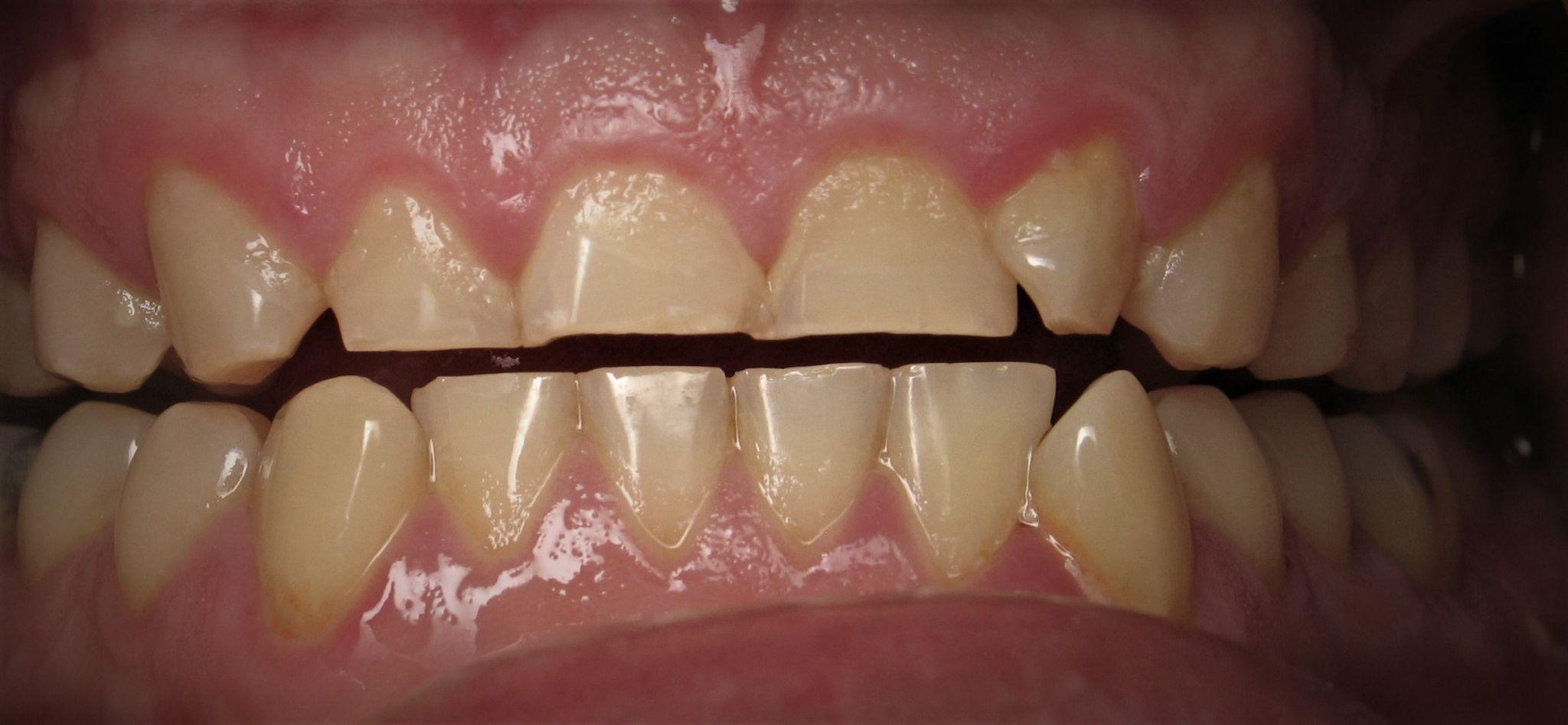
Diagnosis is a mix of clinical exam, your history, and sometimes instrumental testing. Dentists look for flattened cusps, fractured teeth or restorations, muscle tenderness, and scalloped tongue or cheek lines.
Ask about daytime clenching and whether your partner hears you grinding at night. Those reports are often crucial.
For more objective info, clinicians might use bite force analysis, electromyography (EMG) of jaw muscles, or polysomnography if sleep apnea is in the mix.
Photographic records and study models document current wear and help track changes. Validated questionnaires can help gauge bruxism intensity and guide implant planning.
Mechanisms of Implant Complications
Teeth grinding puts concentrated, repetitive forces on implants and the surrounding bone. That can cause mechanical damage, loosening, and bone changes.
You’ll see both hardware failures and biological responses that cut implant longevity.
Impact of Excessive Force on Implant Structures
Excessive force from grinding goes straight to the implant fixture, abutment, and crown. Implants don’t have a periodontal ligament to cushion the load.
That direct hit means mechanical failures like:
- Abutment screw loosening or fracture — repeated torque cycles can back out screws or cause metal fatigue.
- Fracture of prosthetic components — porcelain or zirconia crowns can chip or crack under heavy forces.
- Implant body micro-movement — while rare after healing, micro-motion during healing or under extreme loads can mess up bone integration.
Implant diameter, length, material, and prosthetic design all change how forces concentrate. Wider, longer implants and splinting several together spread out the stress.
Your dentist can adjust your bite and pick stronger materials to lower your mechanical risk.
Signs of Early Implant Stress
Catching problems early matters. Watch out for:
- New or changing mobility — any movement of an implant restoration means something’s loose or failing.
- Pain when biting — sharp or localized pain under load can point to overload or microfracture.
- Chipping or wear of the crown — more porcelain fractures or odd wear patterns suggest too much lateral force.
- Loosening of screws or components — if you keep needing re-tightening, something’s overloading the system.
Your dentist can check with radiographs for bone loss, tap or wiggle the implant for mobility, and measure screw torque. Early fixes—like a night guard, bite adjustment, or replacing parts—can save you a lot of trouble later.
Differences from Natural Tooth Wear
Implants just aren’t like natural teeth when it comes to bruxism. They don’t have that shock-absorbing ligament or sensory feedback.
Natural teeth have a periodontal ligament that lets them move a little and spreads out force. You also get pulpal and ligamental sensation to warn you if you’re biting too hard.
Implants, on the other hand, send loads straight to the bone and the rigid implant-bone interface. You may not feel overload right away, so damage can sneak up on you.
With implants, you’ll often see mechanical breakage and bone loss, while natural teeth tend to show mobility, root fracture, or general wear. That means you have to focus on protecting the rigid implant parts and watching bone levels.
Prevention and Protective Strategies
You can protect your dental implants with a fitted appliance, changing habits that increase bite force, and regular dental checkups.
Practical steps include a custom night guard, stress and habit management, and clinical and radiographic monitoring.
Custom Night Guards
A custom night guard from your dentist gives your implants the best shot at survival. They’ll take impressions or digital scans to make a device that fits exactly over your teeth and implants.
That guard redistributes force and keeps crowns or screws from taking a direct hit.
Go for a hard acrylic guard if you grind—those soft, over-the-counter guards just compress and can make clenching worse. Wear it every night, and bring it to appointments so your dentist can check the fit, wear, and bite.
Plan on replacing the guard every 1–3 years, depending on how much you grind. Clean it daily with a soft brush and mild soap, keep it dry in its case, and skip the high heat that can warp it.
Lifestyle and Behavioral Adjustments
Figure out and cut back on habits that ramp up bite force. Don’t chew ice, pens, or popcorn kernels, and try to stop clenching during the day.
Limiting caffeine and other stimulants can help calm your jaw muscles.
Addressing stress and improving sleep quality often makes a big difference. Try relaxation techniques, cognitive-behavioral strategies, or counseling if you need it.
If meds or substances seem to trigger grinding, talk to your doctor about other options.
Consider therapies like jaw physical therapy, stretching exercises, or even botulinum toxin injections if nothing else works. Your dentist or a specialist can help you figure out what fits your situation and implant type.
Routine Checkups and Monitoring
If you grind your teeth, try to schedule dental visits every 3–6 months. Your dentist can check implant crowns, abutments, and the tissues around them.
Watch for early warning signs like chipped porcelain, loose screws, or bone loss that shows up on X-rays. These issues can sneak up on you if you’re not careful.
Ask your dentist to review your bite and take radiographs at baseline and during follow-ups. It helps spot changes in bone early.
Have them document any wear on your opposing teeth and how your implant restoration fits with the rest of your bite. That way, they can make adjustments before things get worse.
If you notice new symptoms—like your implant feeling loose, soreness that won’t quit, or your bite suddenly changing—don’t wait. Let your dentist know right away.
Quick action, whether it’s tightening screws or tweaking your crown, can save you a lot of hassle and money down the road. Nobody wants to deal with a failed implant if they can avoid it.